In New York City, Restaurants Welcome Tables for One

Customers dine at Boqueria for lunch. The Spanish restaurant’s tapas, or grazing-style menu, appeals to solo patrons.

In New York City restaurants, the party-of-one is becoming a cause for celebration.

OpenTable, the online reservation platform, said that bookings by solo diners at restaurants in the city jumped by 80% from 2014 to 2018. And while OpenTable said those parties-of-one represent a very small slice of overall bookings, some restaurants said that business from solo diners can now account for up to 10% of their sales.

Even on Valentine’s Day, the most couple-oriented dining occasion of the year, New York restaurants are making room for patrons dining alone. OpenTable said that Valentine’s Day solo reservations in 2018 increased by 33% over the previous year. And perhaps for good reason: Restaurants said solo customers represent the ideal, as they are truly there for the food and experience rather than the social occasion.

“The way we approach it is that when we have a solo diner, it’s more of an honor than anyone else,” said Andrew Kuhl, the dining-room manager at Eleven Madison Park, the Michelin-starred restaurant in Manhattan’s Flatiron District.

Restaurants are doing their part to encourage such business. At such establishments as L’Artusi, an Italian restaurant in the West Village, and Odo, a Japanese spot in the Flatiron District, solo diners are given a free offering—say, a small serving of an off-menu item or a glass of sparkling wine. And on Valentine’s Day, some restaurants said they make an extra effort to welcome the solo crowd. For example, at Jones Wood Foundry, a food-driven pub on the Upper East Side, a communal table is set aside for party-of-one diners.

View more here.

DoorDash Closes $400 Million Funding Round

Image result for doordash funding round

“In the last month, a pair of food delivery startups were battling complaints about their tipping policies. Customers and workers chastised the companies for unfairly using tips to subsidize worker pay. As the furor grew, one of the companies, Instacart Inc., changed its compensation policies to match some of workers’ demands.

Meanwhile, the other company, DoorDash Inc., stood firm. It still uses tips from customers to offset some of the minimum payment that a worker gets for each delivery job, in which “Dashers” travel to restaurants or stores and bring food to customers. That decision apparently hasn’t harmed DoorDash’s reputation in the eyes of investors. The company said on Thursday that it received a new round of funding that values it at $7.1 billion.

In an interview Thursday to promote the investment, DoorDash Chief Executive Officer Tony Xu defended the tipping practice, which has been in use since 2017. Xu said internal data show that under the current pay model, Dashers stay on the platform longer, are more satisfied with their jobs and make deliveries in a more timely manner. He blamed recent backlash on Instacart’s implementation of its own policy.”

See more here.

Fluffy Japanese Pancake in Chinatown

People are going wild for these Japanese souffle pancakes

“Chinatown Japanese dessert shop Taiyaki is drawing wildly long lines with a new menu item: fluffy souffle pancakes. People waited in a two-hour line to grab the pancakes last weekend, which come topped with sugar, butter, whipped cream, and syrup, or with matcha cream. The Chinatown restaurant at 119 Baxter St., between Canal and Hester Streets, is selling a stack for $7 from 11 a.m. to 2 p.m. on Fridays, Saturdays, and Sundays.”

See more here.

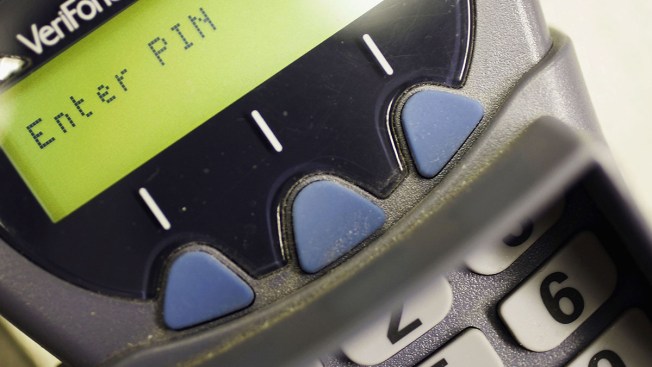
New York City Bill Proposes Eliminating Cashless Stores and Restaurants

New York City Bill Proposes Eliminating Cashless Stores and Restaurants

“Supporters of a new bill want to make sure New Yorkers are able to keep paying cash at their local stores.

The New York City Council held a hearing last week on the bill that proposes to ban stores and restaurants from refusing cash. The legislation is in response to a push for cashlessness across the city and the nation. Backers of the bill argue that by refusing cash, these establishments discriminate against the poor, victims of domestic violence, homeless people and undocumented immigrants—all of whom are more likely to be unbanked.

“Given the sheer prevalence of unbanked people, I worry deeply about the cashless economy,” said New York City Councilman Ritchie Torres, who introduced the bill. “Not everyone has access to debit or credit, but everyone has access to cash.”

See more here.

How Urban Development Shaped the Way 19th-century New Yorkers Ate

“New York City is famous for its food culture, whether it’s a $500 tasting menu at a Michelin-starred restaurant or a bodega bacon, egg, and cheese. It’s possible to find food from every corner of the world, no matter how obscure. Restaurants make, and sometimes unmake, entire neighborhoods.

This is a city that eats out. But that wasn’t always the case. Rewind just over 200 years, when New York was caught between being a Dutch colony and a city, and dining out was a rarity. As the city urbanized, how its residents ate profoundly changed.

An oyster cart, circa 1885

“Food serves as a nice medium to take a step back and look at the bigger picture of New York City history,” says Victoria Flexner, the founder of Edible History, a supper club that creates dinners themed around specific historical moments. Recently Flexner and chef Jay Reifel hosted a meal at the James Beard House that told the story of New York City’s urban development in the 19th century through how its residents dined out.

As the city became rapidly industrialized in the 19th century, a new system emerged to feed these workers: the mobile food cart.

While politicians, businessmen, and other white-collar workers went to oyster cellars and restaurants for their midday meals, lunch came to the working class. Vendors would park outside of factories and docks and, for a few pennies, would sell items like gingerbread, yams, oysters, and corn.”

Read more here.

Taco Bell and Chipotle Want to Shave Time off Food Deliveries

Image result for Taco Bell and Chipotle Want to Shave Time off Food Deliveries

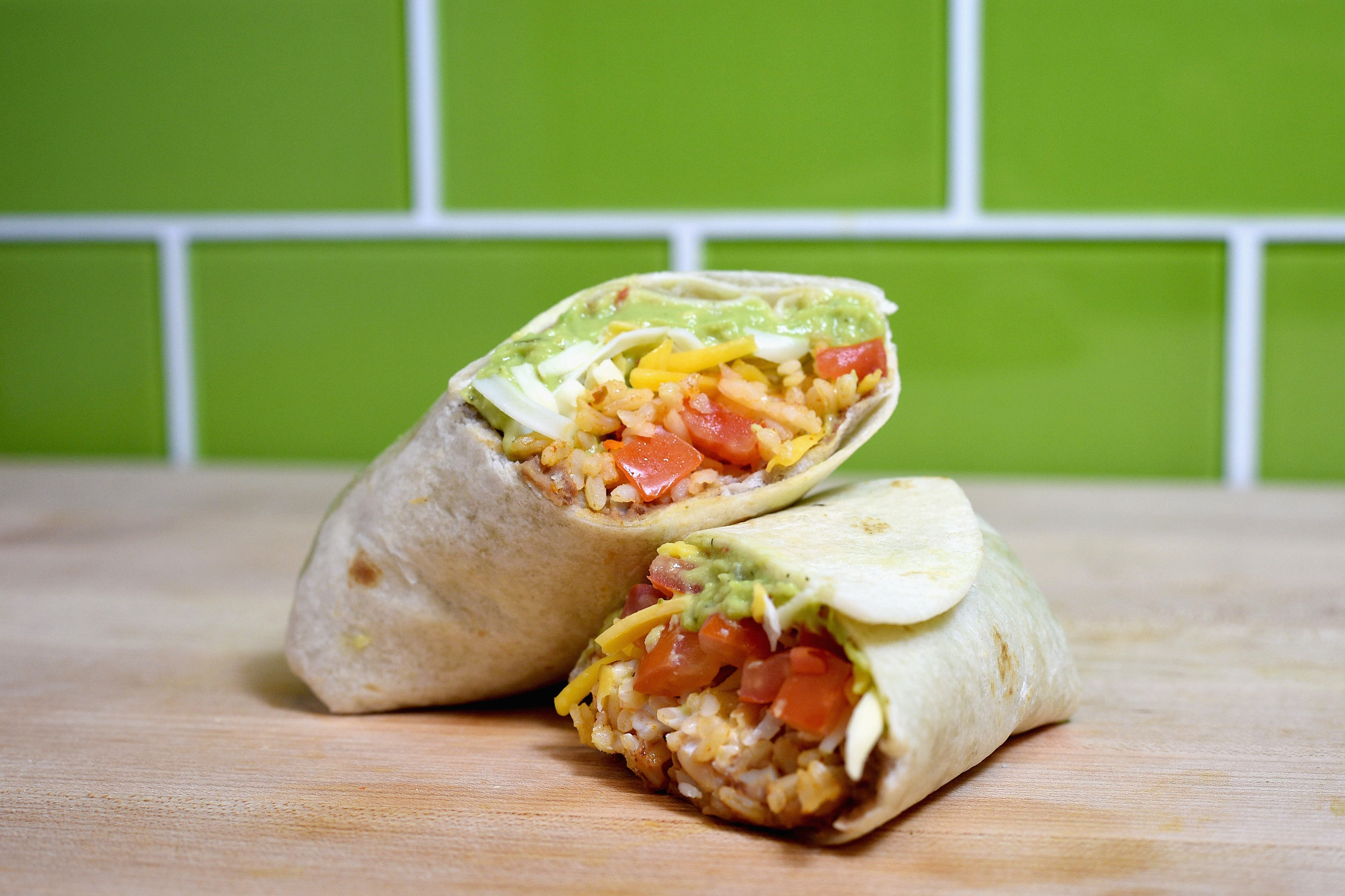
“When it comes to restaurant delivery, speed matters. And the burrito chains want to be faster.

Taco Bell –– which now offers delivery at roughly two-thirds of its U.S. restaurants through GrubHub Inc. with plans to continue expanding the service –– says its average delivery time is 34 minutes. The company acknowledges that’s not good enough for today’s demanding customer.

Chipotle Mexican Grill Inc., meanwhile, says it’s averaging between 28 and 32 minutes for delivery, but it thinks it can shave four minutes or so as it expands pickup shelves across the nation. It’s also introducing prepaid delivery so drivers don’t have to pay in stores. It’s all part of a digital push that is a key part of the comeback plan laid out under Chief Executive Officer Brian Niccol in his first year on the job.”

“While restaurant delivery has long been part of the culture in major cities like New York and San Francisco, pizza was often the only option in many markets. That has started to change as on-demand delivery services like DoorDash, Postmates and Uber Eats have proliferated, joining GrubHub to expand delivery options.”

Read more here.

Sweetberry CEO predicts 300% growth in sales

Image result for Sweetberry Bowls CEO Desi Saran

“Predicting a 300 percent sales increase for a 1-year-old brand is a pretty gutsy statement for any new business, but Sweetberry Bowls CEO Desi Saran is confident that he’s on to something.

The restaurant veteran and serial entrepreneur first opened the New Jersey-based brand, which serves acai, coconut and pitaya bowls, wraps, salads, smoothies, in 2017, and has since grown it to 13 locations. That was after he served as an operating partner at Playa Bowls, four years ago, helping to grow it from a beach-front smoothie stand to a national chain. He left that behind, however, to launch Sweetberry Bowls, which Saran said is on its way to becoming a global chain.”

“Q: What sets you apart from your competitors?
A
: Sweetberry Bowls is a brand new company, and we’re truly making a name for ourselves in the growing Acai bowl category, which is fairly new in the fast casual space. But, we’re not just a bowl concept or smoothie shop – we serve a full product mix of salads, sandwiches and wraps as well. As a result, our product offering isn’t just seasonal, but fully functional all year round.”

Read full interview here.


Refined British Restaurant Found Hiding in a Brooklyn Bar

Image result for Cherry Point new york

“Cherry Point sits on Manhattan Avenue in Greenpoint, a few steps from the corner where Bedford Avenue, having flowed all the way across Brooklyn from the shores of Sheepshead Bay, suddenly comes to an end. The area is marked by a cluster of restaurants. Some have a washed-up feeling, as if they’d all been drifting along in Bedford’s currents and had been stranded there. A few stand out in the landscape.

In the fall, Cherry Point took a decisive turn into the second category when a new chef took over, but not everyone in the neighborhood seems to realize it yet. People still tumble in for happy hour, when servers whose hairstyles take a minute to adjust to will pour three-gulp martinis, manhattans and Rob Roys (due for a revival) in little Nick & Nora glasses for $8 each, and then after happy hour ends at 7 p.m. most of the crowd generally drifts out to find somewhere else for dinner. The space, with its old-timey wainscoting and its central bar, is easy to mistake for a tavern.”

Read more here.

CBD-Infused Food and Drinks Have Been Banned From NYC Restaurants and Bars

“If you’ve been relying on a smidgen of CBD oil in your latte to relax after a long day at work, you might want to look into alternative methods of decompression (at least temporarily).

According to the New York Daily News, as of Tuesday, the New York City Department of Health is prohibiting restaurants and bars from selling any and all perishable products containing cannabidiol (or CBD, for short), a compound found in marijuana purported to have therapeutic effects.

This might seem dire, but the ruling was basically inevitable. When it comes to the ever-fluctuating invocations of cannabis law, state governments aren’t going to take any chances with validating CBD oil as a safe ingredient until the compound is confirmed to be harmless on a federal level. CBD oil was banned from Californian food last July, and authorities in Maine are taking steps to strip businesses of the marijuana-adjacent treats this week.”

Read more here.

Digital Ordering to Triple by 2020

Restaurant mobile app

Restaurant digital orders have grown an average of 23 percent, per year since 2013, and will triple by the end of 2020, according to a report from NPD Group.

The report, called Delivering Digital Convenience, found that 70 percent of a restaurant’s digital orders come through its mobile app or its website, with the remaining orders coming through third-party apps or websites. Customers used the restaurant’s own app most of the time because of rewards points or savings, and other brands appeal to customers because they want to create a custom order or take friction out of the ordering process.

Third-party apps like DoorDash, UberEats or Grubhub/Seamless accounted for 40 percent share of the 20 most used apps, and are used by consumers who want to look up various food items and check prices.

“Digital orders will remain an outsized source of growth for the restaurant industry over the next few years, and operators who desire to grow need to embrace a digital strategy,” said David Portalatin, NPD food industry adviser and author of Eating Patterns in America, said in the announcement. “There are clear leaders in the digital ordering space, and third-party providers who have achieved critical mass the fastest.”

See more here.