Toby’s Estate Doubles Capacity with New Bushwick Roastery Cafe

Screen Shot 2019-03-05 at 9.31.37 AM.png

“Toby’s Estate has opened its second production roastery in the Bushwick neighborhood of Brooklyn, New York, alongside a new cafe space with seating for 40, a daily brunch menu and a pourover bar outfitted by Saint Anthony Industries.

The New York arm of the Australian-born brand created by Sydney native Toby Smith in 2001 is co-owned by Amber Jacobsen and Adam Boyd, who first opened a Toby’s Estate roastery cafe in Williamsburg in 2012.

Since then, Toby’s Estate has opened four other retail bars throughout Brooklyn, Manhattan and Queens, with a temporarily closed Flatiron location in Manhattan to be replaced this year by another Flatiron bar, according to the company.

At 8 Wilson Ave. in Bushwick, the new roastery will allow the company to double its current production capacity with the addition of a 22-kilo Probat roaster. The roastery will also be home to a new wholesale partnership initiative, through which cafes, restaurants or other wholesale partners can receive a more tailored coffee program.”

See more here.

Tim Hortons Expands to China

Image result for Tim Hortons Expands to China

“Tim Hortons has arrived in China, joining the high-stakes battle to sell coffee in a massive country that mostly drinks tea.

The Canadian coffee-and-doughnut chain, run by Burger King-owner Restaurant Brands International Inc., plans to focus on “everyday value” as it muscles up against the ambitious plans of local and foreign players such as Starbucks Corp. Its also debuting at a tricky time as a diplomatic row brews between China and Canada (…).

GEOPOLITICAL ISSUES

Besides joining a crowded field that includes Dunkin’ Brands Group Inc., Coca-Cola Co.’s newly acquired Costa Coffee and local startup Luckin Coffee, Tim Hortons faces a slowing Chinese economy and complicated geopolitical situation.

Its origins as a beloved Canadian brand may run into some nationalistic consumers, given the political tensions underway currently.

Chinese firm Huawei Technologies Co.’s chief financial officer Meng Wanzhou has been held in Canada at U.S.’ request since last December. The Canadian government said in January that 13 citizens have been detained in China since Wanzhou’s arrest.

Many Chinese consumers, however, seem unfazed. Canada Goose Holdings Inc., which opened its flagship store in Beijing in December amid calls for boycott of Canadian goods, downplayed the backlash fears earlier this month after it saw shoppers line up outside its store.

Tim Hortons has struggled to build a following outside its home country. The chain, named for a Canadian hockey star, is opening its first Chinese shop on Tuesday in People’s Square, in Huangpu, Shanghai and is banking on a growing middle class keen to try Western inventions like its honey cruller donuts.

“Tim Hortons will need to offer not just something unique that Chinese consumers can’t find at other chains, but also spend heavily on marketing to build awareness of the brand,” said Jason Yu, Shanghai-based general manager of Kantar Worldpanel in Greater China.”

Read more here.

CBD-Infused Food and Drinks Have Been Banned From NYC Restaurants and Bars

“If you’ve been relying on a smidgen of CBD oil in your latte to relax after a long day at work, you might want to look into alternative methods of decompression (at least temporarily).

According to the New York Daily News, as of Tuesday, the New York City Department of Health is prohibiting restaurants and bars from selling any and all perishable products containing cannabidiol (or CBD, for short), a compound found in marijuana purported to have therapeutic effects.

This might seem dire, but the ruling was basically inevitable. When it comes to the ever-fluctuating invocations of cannabis law, state governments aren’t going to take any chances with validating CBD oil as a safe ingredient until the compound is confirmed to be harmless on a federal level. CBD oil was banned from Californian food last July, and authorities in Maine are taking steps to strip businesses of the marijuana-adjacent treats this week.”

Read more here.

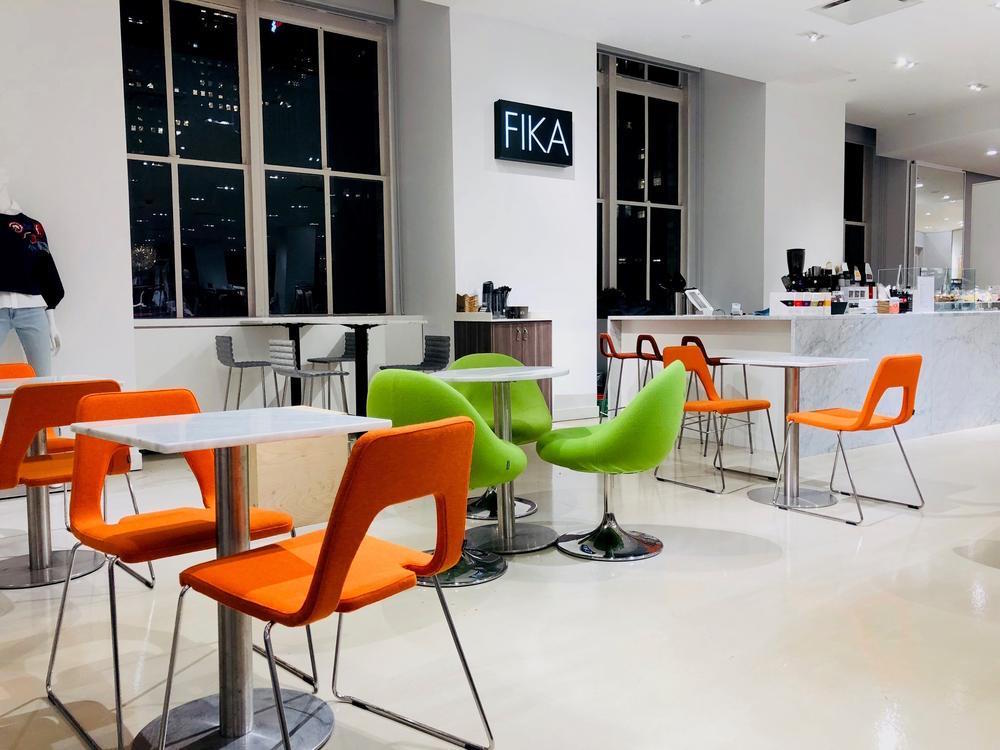
The Rise, Decline and Section 363 Sale of the New York Coffee Chain Fika

Fika coffee new york

“Though the word “fika” famously refers to the Swedish cultural practice of slowing down to relax with those around you over coffee or tea and a small bite, the New York City coffee chain Fika has been operating at a breakneck pace in recent years.

By 2016, ten years after opening Fika with a single Manhattan location, founder Lars Akerlund had led the boutique coffee chain to 17 locations while signaling the company’s intentions to expand its physical footprint into more U.S. cities and countries overseas. Two years after that, by Sept. 2018, Fika had filed for Chapter 11 bankruptcy.

Today, the company is down to six New York locations, and it has recently been acquired through an auction process under the U.S. Bankruptcy Code, section 363, according to an announcement made by Cozen O’Connor, a law firm involved with the acquisition process.

“The expansion required significant start-up costs for each of the locations before they could become profitable,” the firm said, noting the rapid addition of 12 Fika cafes that began in 2013. “FIKA was subsequently unable to secure additional investors to cover the expansion costs and its operations alone could not absorb the increased start-up expenses. The legacy costs from the aggressive expansion forced FIKA, therefore, to close a number of locations and return to a streamlined, conservative business model centered on fewer stores.”

Read more here.

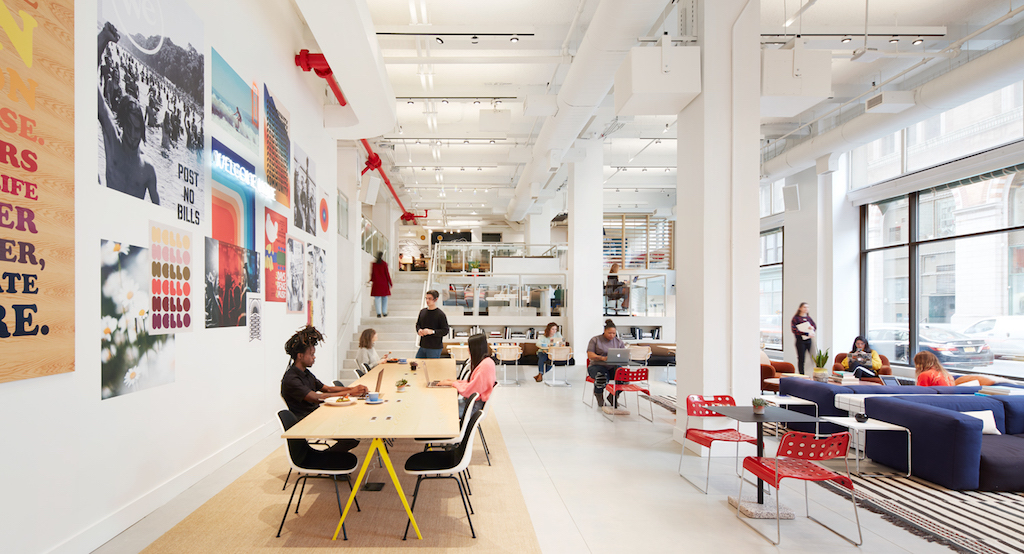
WeWork Ventures into Coffee Retail with Bluestone Lane Partnership

WeWork coffee bar

“The popular co-working and office space provider WeWork today unveiled Made by We, a public retail concept that includes a full cafe from New York-based and self-described “Australian-inspired” coffee chain Bluestone Lane.

Located at 902 Broadway in the heart of Manhattan’s Flatiron district, the Bluestone Lane bar stands at the center of the new concept from WeWork umbrella company The We Company, which signaled an intention to open more retail locations in the future.

While the Made by We location includes 100 bookable individual workspaces and meeting spaces for groups, it varies from other WeWork locations in that a subscription or booking is not required to enter.

In addition to Bluestone Lane, there are other vendors within the retail space offering items like snacks, apparel and digital accessories. Bluestone Lane said it is including its full extensive coffee and espresso drinks menu, along with its freshly prepared toasts, and grab-and-go items including gluten-free pastries from Husk Bakeshop.”

See more here.

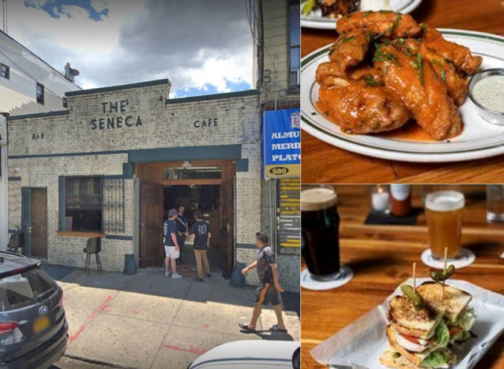
Webster Hall Team Opens New Seneca Avenue Restaurant

Screen Shot 2019-01-08 at 10.09.34 AM.png

“The family behind New York’s Webster Hall has opened a new organic American eatery on Seneca Avenue. The Seneca combines a coffee shop, restaurant and bar inside the new digs that opened last summer at 582 Seneca Ave., owners said.

The eatery features a full coffee menu, kombucha on tap, a full menu of beers, natural wines and cocktails, and a short menu of elevated bar food. A breakfast sandwich comes with house-made sausage and hot sauce, the chicken club comes on pullman bread and the tacos come with either chorizo, avocado or mushrooms.

The Seneca is open from Monday through Sunday from 10 a.m. to 2 a.m., the kitchen stays open until midnight and happy hour is from 1 p.m. to 7 p.m. every day, according to the eatery’s website.”

See more here.

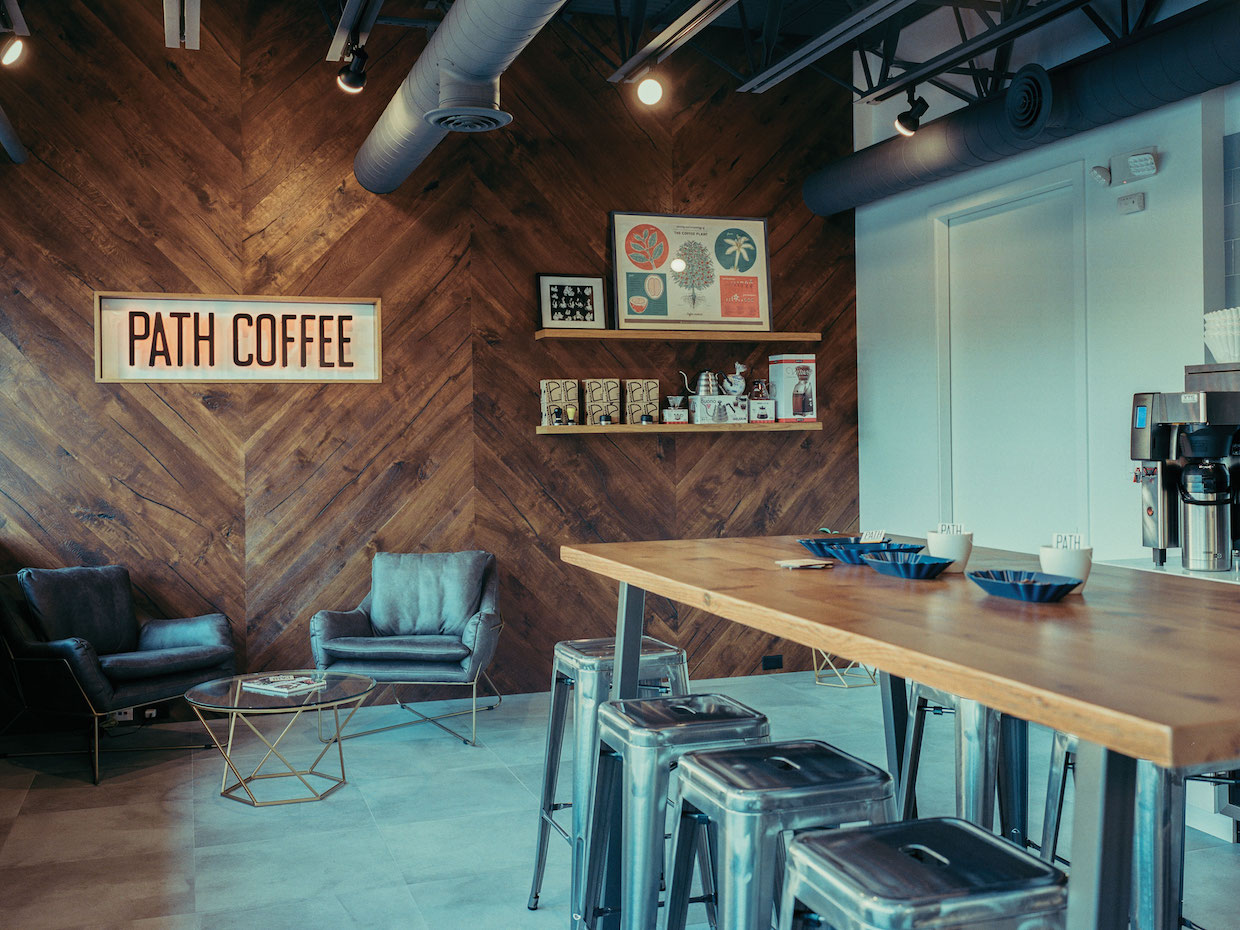
Path Coffee Roasters Leads the Way for Specialty with Westchester County Training Facility

cupping-lab-frank-large-03

“Five-year-old specialty coffee wholesale roasting company Path Coffee Roasters has unveiled a new specialty coffee destination at its home base in Port Chester, New York.

Working with Dianne Eaton of Mamaroneck-based Keller/Eaton Architects, Path has created a new cupping lab and training space adjacent to its roastery that is designed to give advanced training, skills development and cupping opportunities to wholesale clients and home baristas alike.

Despite the brand being just five years old, it also constitutes the specialty division of Empire Coffee Roasters, which has been producing wholesale, mostly private-label coffees for clients throughout New York for more than three decades.”

Read more here.

Starbucks Roastery opens in New York City

Screen Shot 2018-12-14 at 1.54.45 PM.png

“The design of each Starbucks Roastery— with locations in Seattle, Shanghai, and Milan — is inspired by its home city. Architect Rafael Vinoly’s designed the three-story New York City location in the city’s Meatpacking District. The design was inspired by the geometry of New York City’s buildings and will feature systems of “symphony pipe” tubes where beans will be transported, as a nod to the city’s subway system.

Exclusive to the New York City Roastery will be a cellar-level terrarium featuring vegetation inspired by the Starbucks coffee farm in Costa Rica.

The Roastery will also feature a 10-foot copper sculpture of the Starbucks siren, which has become a design staple at each Roastery location. This statue, designed by Brooklyn artist Max Steiner, is New York City-inspired.”

See more here.

Promoting Restaurant Technology Through Advertising

opening a coffee shop plan

“Most people use social media as a tool for keeping in touch with friends and family, so it makes sense that we wouldn’t want it cluttered with ads for a deal, but rather content that makes the companies we like seem more human, as if they’re just one of us. Restaurants are getting behind this is a big way and joining in on online celebrations for holidays, from Valentine’s Day to Teacher Appreciation Day, following along with major sporting events, or simply sharing memes relevant to their brand.

As technology continues to evolve the way restaurants operate, so too do the messages they communicate to customers via advertising. Whether it be new options for delivery, or an emerging media channel to connect with customers. Nothing happens in a vacuum—it all contributes to the greater ecosystem surrounding a business, requiring a true 360-degree omnichannel view.”

Read more here.

A French Celebrity Chef Finds a Spot in a Lexus-Owned Space

“The aromas you might pick up in this building, owned by Lexus, the car company, may not be that new-car smell but rather curry, roasting meat, smoked vegetables, caramel and freshly ground coffee. Food is the main purpose of this installation, which features a ground-floor cafe, a full-service restaurant and bar upstairs, and not a car in sight. It’s the third such venture for the brand, after others in Tokyo and Dubai. Union Square Hospitality Group is behind the cafe and restaurant, but the food is being devised by Gregory Marchand, a French celebrity chef who owns the Frenchie restaurants in Paris and London. He will be on hand from time to time for the next four to six months; after that, another chef-in-residence will be imported. “We want chefs who are new to New York and up-and-coming,” said Kirk Edmondson, the manager. The long-term executive chef is Nickolas Martinez, who worked with Joël Robuchon and at Foragers City Table. Kaz Fujimura is responsible for pastries, and Andrea Morris is in charge of drinks and wine. A circular bar and lounge is on one side of the second floor. The dining room, done mostly in black and white with a spacious open kitchen, seats 50. Mr. Marchand’s menu includes some of his signature dishes like baby leeks with Parmesan sabayon and smoked egg yolk, halibut grenobloise, and a toffee and banana dessert called banoffee.”

View more here.