Taco Bell and Chipotle Want to Shave Time off Food Deliveries

Image result for Taco Bell and Chipotle Want to Shave Time off Food Deliveries

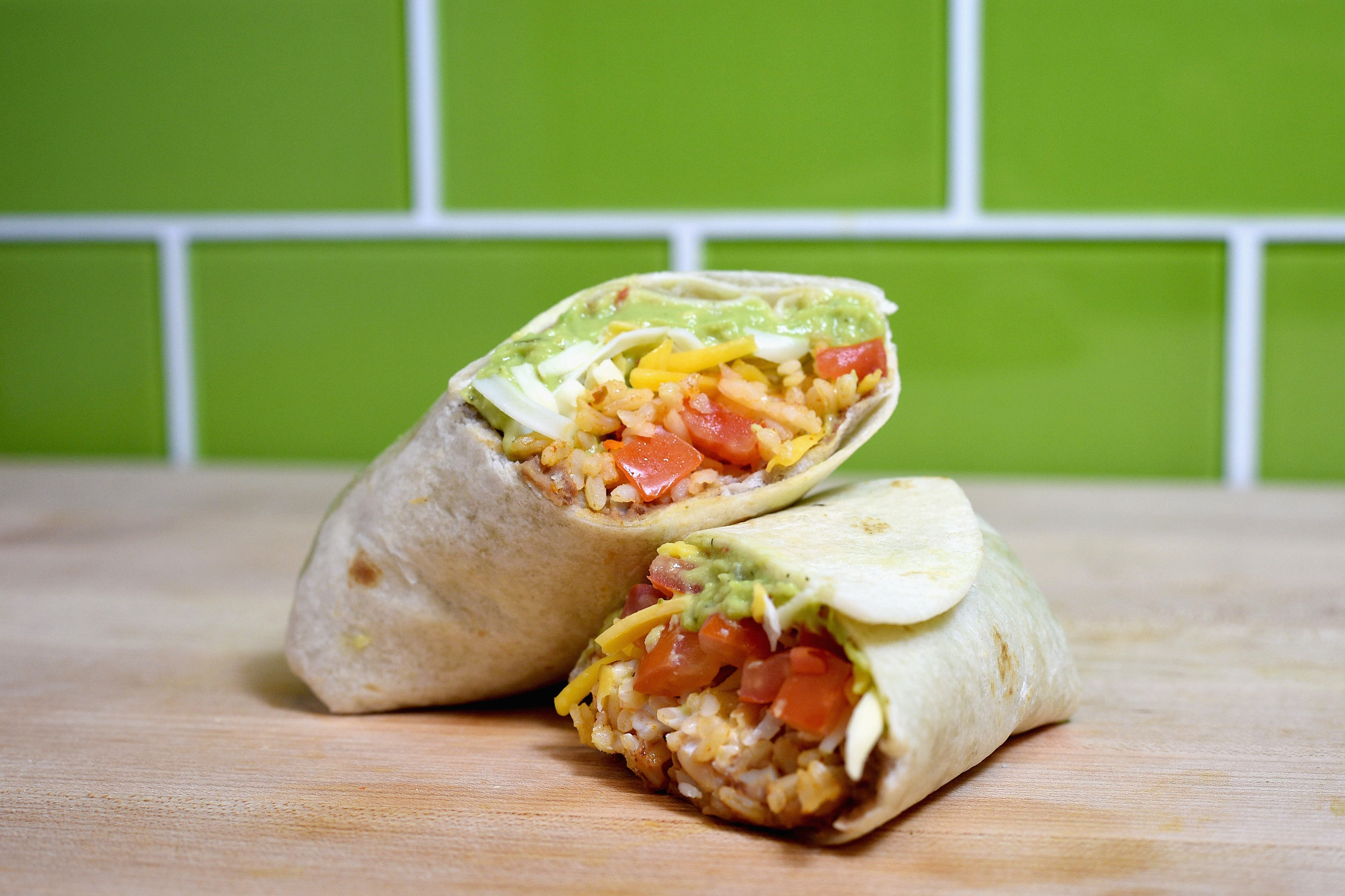
“When it comes to restaurant delivery, speed matters. And the burrito chains want to be faster.

Taco Bell –– which now offers delivery at roughly two-thirds of its U.S. restaurants through GrubHub Inc. with plans to continue expanding the service –– says its average delivery time is 34 minutes. The company acknowledges that’s not good enough for today’s demanding customer.

Chipotle Mexican Grill Inc., meanwhile, says it’s averaging between 28 and 32 minutes for delivery, but it thinks it can shave four minutes or so as it expands pickup shelves across the nation. It’s also introducing prepaid delivery so drivers don’t have to pay in stores. It’s all part of a digital push that is a key part of the comeback plan laid out under Chief Executive Officer Brian Niccol in his first year on the job.”

“While restaurant delivery has long been part of the culture in major cities like New York and San Francisco, pizza was often the only option in many markets. That has started to change as on-demand delivery services like DoorDash, Postmates and Uber Eats have proliferated, joining GrubHub to expand delivery options.”

Read more here.

Refined British Restaurant Found Hiding in a Brooklyn Bar

Image result for Cherry Point new york

“Cherry Point sits on Manhattan Avenue in Greenpoint, a few steps from the corner where Bedford Avenue, having flowed all the way across Brooklyn from the shores of Sheepshead Bay, suddenly comes to an end. The area is marked by a cluster of restaurants. Some have a washed-up feeling, as if they’d all been drifting along in Bedford’s currents and had been stranded there. A few stand out in the landscape.

In the fall, Cherry Point took a decisive turn into the second category when a new chef took over, but not everyone in the neighborhood seems to realize it yet. People still tumble in for happy hour, when servers whose hairstyles take a minute to adjust to will pour three-gulp martinis, manhattans and Rob Roys (due for a revival) in little Nick & Nora glasses for $8 each, and then after happy hour ends at 7 p.m. most of the crowd generally drifts out to find somewhere else for dinner. The space, with its old-timey wainscoting and its central bar, is easy to mistake for a tavern.”

Read more here.

CBD-Infused Food and Drinks Have Been Banned From NYC Restaurants and Bars

“If you’ve been relying on a smidgen of CBD oil in your latte to relax after a long day at work, you might want to look into alternative methods of decompression (at least temporarily).

According to the New York Daily News, as of Tuesday, the New York City Department of Health is prohibiting restaurants and bars from selling any and all perishable products containing cannabidiol (or CBD, for short), a compound found in marijuana purported to have therapeutic effects.

This might seem dire, but the ruling was basically inevitable. When it comes to the ever-fluctuating invocations of cannabis law, state governments aren’t going to take any chances with validating CBD oil as a safe ingredient until the compound is confirmed to be harmless on a federal level. CBD oil was banned from Californian food last July, and authorities in Maine are taking steps to strip businesses of the marijuana-adjacent treats this week.”

Read more here.

Restaurant Menu Trends: What to Expect to See on More Menus in 2019

2019 restaurant menu trends

1. CBD (Cannabidiol) — up 99%!

It was only a matter of time before cannabidiol—or CBD—made its way into the restaurant industry. The non-psychoactive derivative from the cannabis plant has helped consumers looking for relief from inflammation, pain, anxiety, insomnia, seizures, spasms, and other conditions without the negative side effects of some pharmaceutical drugs.

According to the National Restaurant Association’s (NRA) What’s Hot Culinary Survey, a barometer of U.S. food and beverage trends, 650 professional chefs—all members of the American Culinary Federation—said infusing food and drink with cannabis and CBD could create unique cuisine opportunities and potential new markets for experiential dining occasions. Of the survey’s respondents, 77 percent identified cannabis/CBD-infused drinks as the number one trend in the restaurant industry right now, and 76 percent tapped cannabis/CBD-infused food as the second most popular trend.

Data from Upserve customers revealeda 99 percent increase in CBD menu items in 2018, setting up 2019 as the year of CBD. From baked goods to CBD-infused beverages, restaurants across the country are responding to a consumer demand to chill out.

“There has been growing popularity and support around CBD, and if it makes people happier and less stressed, then why not give the public what they want?” says Nick Duckworth, owner of cafe Banter NYC. They currently only sell Dirty Lemon CBD, a packaged, CBD-infused drink, but will be expanding their CBD offerings in 2019, allowing customers “to add CBD drops to most beverages.”

View all 2019 Menu trends here.

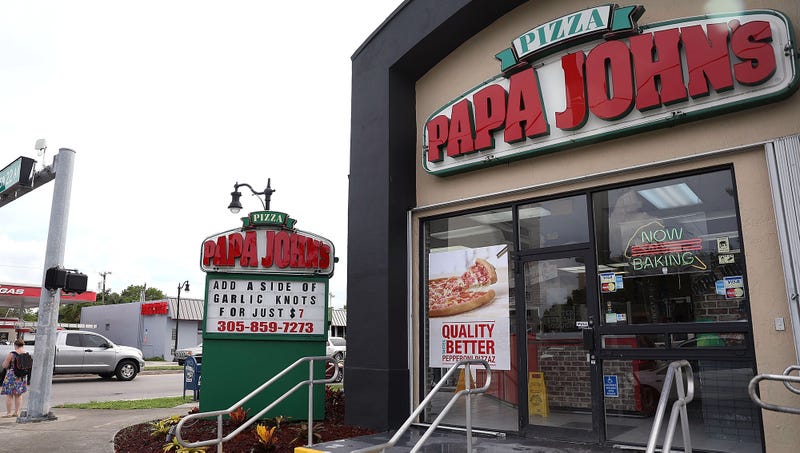
Papa John’s Accepts $200 Million Investment From Activist Hedge Fund

Image result for papa johns

“Papa John’s International Inc. is handing over the keys to the embattled pizza chain in exchange for a $200 million investment.

Activist fund Starboard Value LP is supplying the funds and its chief executive officer, Jeffrey Smith, is becoming chairman. He steps into the role vacated last year by Papa John’s founder John Schnatter after reports emerged that he used a racial slur. Schnatter tried to make his own similar deal and said he was shot down.

The infusion comes as the pizza chain also reported preliminary results for the fourth quarter and last year that missed analysts’ estimates. The company had already been in a sales slump before the latest controversy began last summer. Papa John’s plans to use the proceeds to repay debt and invest in the business, it said in a statement. Starboard is making its investment through the purchase of new convertible preferred stock, and the deal includes the option of an additional $50 million investment.

Shares of Papa John’s gained as much as 11 percent to $42.74 in New York trading Monday, the biggest intraday jump since July.”

See more here.

Hy-Vee App Aims to Reduce Food Waste and Save Money

“Hy-Vee Inc. has begun piloting a mobile shopping app that helps grocery retailers cut back on food waste. Called Flashfood, and developed by a Toronto company of the same name, the app enables consumers to browse and buy food items nearing their “best before” date at “significantly reduced” prices, Hy-Vee said Friday.

To use Flashfood, customers download the free app (available in iOS and Android versions) and then start shopping deals on items such as meat, dairy, bread and snacks. Purchases are then made directly from their smartphone and picked up at any time from the Flashfood Zone shelves or refrigerators in the store.

The program gives consumers a way to lower their grocery bill and help the environment by reducing unnecessary food waste, according to Flashfood.”

Read more here.

A New Bill Proposes Foie Gras Ban for NYC

Foie gras could soon be illegal to eat in NYC. A new bill from lower Manhattan councilwoman Carlina Rivera is proposing that the sale of the fatty duck liver be illegal, on the basis of animal cruelty. The bill proposes that violators would be guilty of a misdemeanor, with the potential for $1,000 in fines and one year in jail for each offense. The bills follows the Supreme Court rejecting a challenge on California’s foie gras ban. Brooklyn councilman Justin Brannan backs the bill, telling the Post, “Don’t tell me you’re a fan of the Central Park Mandarin duck but you think foie gras is ok.”

Read more here.

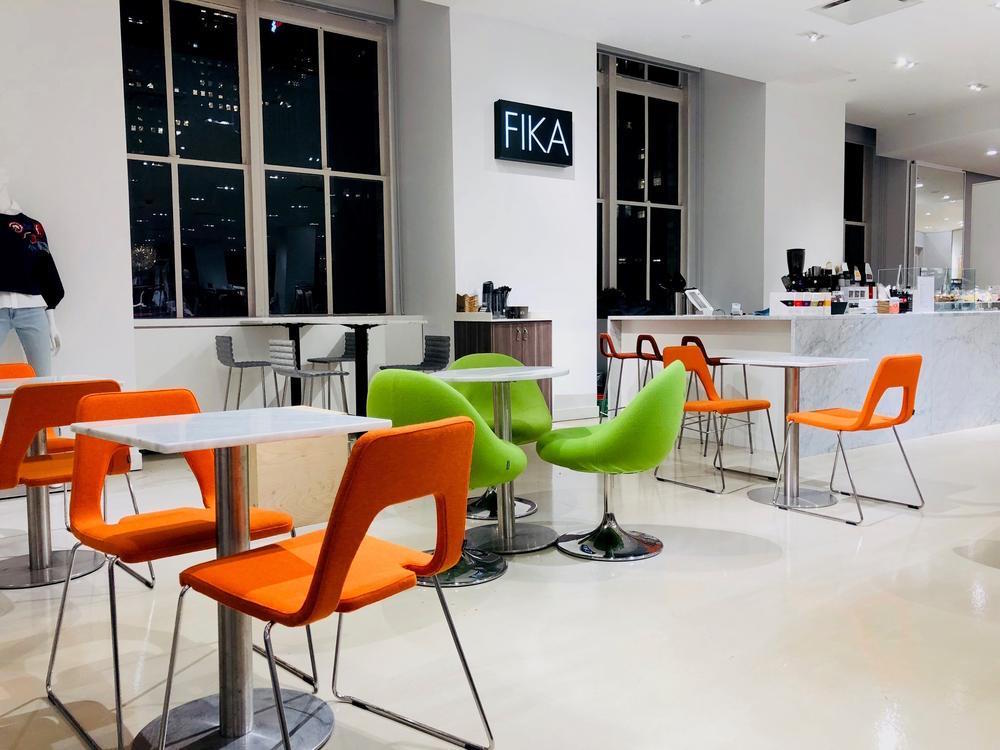
The Rise, Decline and Section 363 Sale of the New York Coffee Chain Fika

Fika coffee new york

“Though the word “fika” famously refers to the Swedish cultural practice of slowing down to relax with those around you over coffee or tea and a small bite, the New York City coffee chain Fika has been operating at a breakneck pace in recent years.

By 2016, ten years after opening Fika with a single Manhattan location, founder Lars Akerlund had led the boutique coffee chain to 17 locations while signaling the company’s intentions to expand its physical footprint into more U.S. cities and countries overseas. Two years after that, by Sept. 2018, Fika had filed for Chapter 11 bankruptcy.

Today, the company is down to six New York locations, and it has recently been acquired through an auction process under the U.S. Bankruptcy Code, section 363, according to an announcement made by Cozen O’Connor, a law firm involved with the acquisition process.

“The expansion required significant start-up costs for each of the locations before they could become profitable,” the firm said, noting the rapid addition of 12 Fika cafes that began in 2013. “FIKA was subsequently unable to secure additional investors to cover the expansion costs and its operations alone could not absorb the increased start-up expenses. The legacy costs from the aggressive expansion forced FIKA, therefore, to close a number of locations and return to a streamlined, conservative business model centered on fewer stores.”

Read more here.

Request for Proposals for the Sale of Food and Beverages from Mobile Food Units at Flatbush Ave & Plaza St, 9th St & Prospect Park West, Dog Beach, 10th Ave Ballfields and the Vanderbilt Playground Loop in Prospect Park, Brooklyn, NY

Screen Shot 2019-01-23 at 5.49.47 PM.png

See more here.

Bangladeshi Food Is a Rarity Around New York

““I love feeding people,” said Nur-E Gulshan, who began cooking as a 16-year-old newlywed in the Bangladeshi city of Bogra. “Since my kids’ friends come over, they always said: ‘Auntie, why don’t you open a restaurant? Your food is so good!’ Always, I thought they are just telling me as courtesy. Then they grew up, and they’re still telling me to do the same.”

“There is a long, often-unexplored history of Bangladeshi immigrants’ owning nominally Indian restaurants in the United States. But the food isn’t Bangladeshi, nor does it reflect the varied regional cuisines of India, one of the largest and most populous countries in the world.

Nur-E Farhana is steadfast in distinguishing her mother’s Bangladeshi food from the Indian food typically encountered in restaurants in America: “Chicken tikka masala, butter chicken, paneer,” she said with a sigh.”

See more here.