Billionaires Are Betting Big on Alternative Meat

Image result for Billionaires Are Betting Big on Alternative Meat

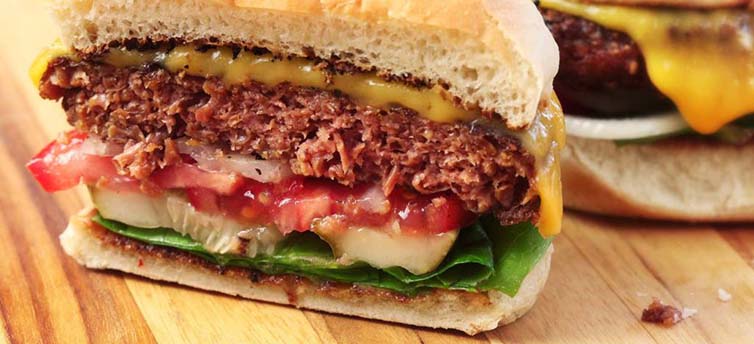
Creating designer protein that can make your veggie burger taste like the real thing is as easy as brewing beer. Or at least that’s what a new subsidiary of Boston-based bio-manufacturing startup, Ginkgo Bioworks Inc., says.

Ginkgo’s Motif Ingredients, which aims to replicate animal protein for meatless alternatives, is getting $90 million from investors including Breakthrough Energy Ventures, whose board includes tech billionaires Jeff Bezos, Bill Gates and Jack Ma. Commodity powerhouse Louis Dreyfus Co. and Fonterra Co-operative Group Ltd, New Zealand’s dairy-exporting giant, are also backing the company.

The goal at Ginkgo is to get alternative products to market faster, chief executive officer Jason Kelly said in an interview. In a statement announcing the funding, the company likened making alternative foods to the beer-brewing process, because vital ingredients such as vitamins, amino acids, enzymes, and flavors are made through fermentation with genetically engineered yeasts and bacteria. Eliminating extra time in the lab can streamline the process and make it go faster, Kelly said.

Read more here.

Sweetberry CEO predicts 300% growth in sales

Image result for Sweetberry Bowls CEO Desi Saran

“Predicting a 300 percent sales increase for a 1-year-old brand is a pretty gutsy statement for any new business, but Sweetberry Bowls CEO Desi Saran is confident that he’s on to something.

The restaurant veteran and serial entrepreneur first opened the New Jersey-based brand, which serves acai, coconut and pitaya bowls, wraps, salads, smoothies, in 2017, and has since grown it to 13 locations. That was after he served as an operating partner at Playa Bowls, four years ago, helping to grow it from a beach-front smoothie stand to a national chain. He left that behind, however, to launch Sweetberry Bowls, which Saran said is on its way to becoming a global chain.”

“Q: What sets you apart from your competitors?
A
: Sweetberry Bowls is a brand new company, and we’re truly making a name for ourselves in the growing Acai bowl category, which is fairly new in the fast casual space. But, we’re not just a bowl concept or smoothie shop – we serve a full product mix of salads, sandwiches and wraps as well. As a result, our product offering isn’t just seasonal, but fully functional all year round.”

Read full interview here.


Restaurant Menu Trends: What to Expect to See on More Menus in 2019

2019 restaurant menu trends

1. CBD (Cannabidiol) — up 99%!

It was only a matter of time before cannabidiol—or CBD—made its way into the restaurant industry. The non-psychoactive derivative from the cannabis plant has helped consumers looking for relief from inflammation, pain, anxiety, insomnia, seizures, spasms, and other conditions without the negative side effects of some pharmaceutical drugs.

According to the National Restaurant Association’s (NRA) What’s Hot Culinary Survey, a barometer of U.S. food and beverage trends, 650 professional chefs—all members of the American Culinary Federation—said infusing food and drink with cannabis and CBD could create unique cuisine opportunities and potential new markets for experiential dining occasions. Of the survey’s respondents, 77 percent identified cannabis/CBD-infused drinks as the number one trend in the restaurant industry right now, and 76 percent tapped cannabis/CBD-infused food as the second most popular trend.

Data from Upserve customers revealeda 99 percent increase in CBD menu items in 2018, setting up 2019 as the year of CBD. From baked goods to CBD-infused beverages, restaurants across the country are responding to a consumer demand to chill out.

“There has been growing popularity and support around CBD, and if it makes people happier and less stressed, then why not give the public what they want?” says Nick Duckworth, owner of cafe Banter NYC. They currently only sell Dirty Lemon CBD, a packaged, CBD-infused drink, but will be expanding their CBD offerings in 2019, allowing customers “to add CBD drops to most beverages.”

View all 2019 Menu trends here.

New NYC restaurants: Danish bakery Ole & Steen’s stateside debut, and more

Screen Shot 2019-01-28 at 7.05.09 PM.png

“Ole & Steen

“NYC’s Nordic offerings continue to grow beyond destinations such as the Great Northern Food Hall with the stateside debut of this 28-year-old Danish bakery. Find Danish rye breads, pastries and tarts, as well as sweet or savory porridges, open-faced sandwiches, salads and more on the all-day menu. Now open Mon.-Fri. from 6:30 a.m.-10 p.m., Sat.-Sun. from 7:30 a.m.-10 p.m.; 873 Broadway, 929-209-1020”

View more here.

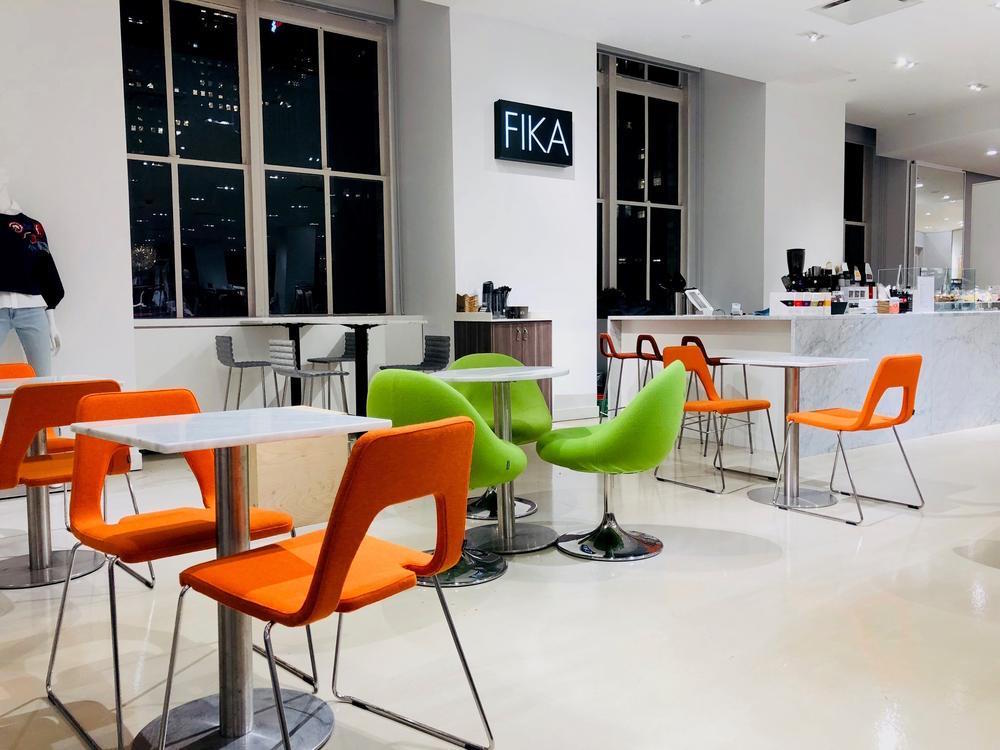
The Rise, Decline and Section 363 Sale of the New York Coffee Chain Fika

Fika coffee new york

“Though the word “fika” famously refers to the Swedish cultural practice of slowing down to relax with those around you over coffee or tea and a small bite, the New York City coffee chain Fika has been operating at a breakneck pace in recent years.

By 2016, ten years after opening Fika with a single Manhattan location, founder Lars Akerlund had led the boutique coffee chain to 17 locations while signaling the company’s intentions to expand its physical footprint into more U.S. cities and countries overseas. Two years after that, by Sept. 2018, Fika had filed for Chapter 11 bankruptcy.

Today, the company is down to six New York locations, and it has recently been acquired through an auction process under the U.S. Bankruptcy Code, section 363, according to an announcement made by Cozen O’Connor, a law firm involved with the acquisition process.

“The expansion required significant start-up costs for each of the locations before they could become profitable,” the firm said, noting the rapid addition of 12 Fika cafes that began in 2013. “FIKA was subsequently unable to secure additional investors to cover the expansion costs and its operations alone could not absorb the increased start-up expenses. The legacy costs from the aggressive expansion forced FIKA, therefore, to close a number of locations and return to a streamlined, conservative business model centered on fewer stores.”

Read more here.

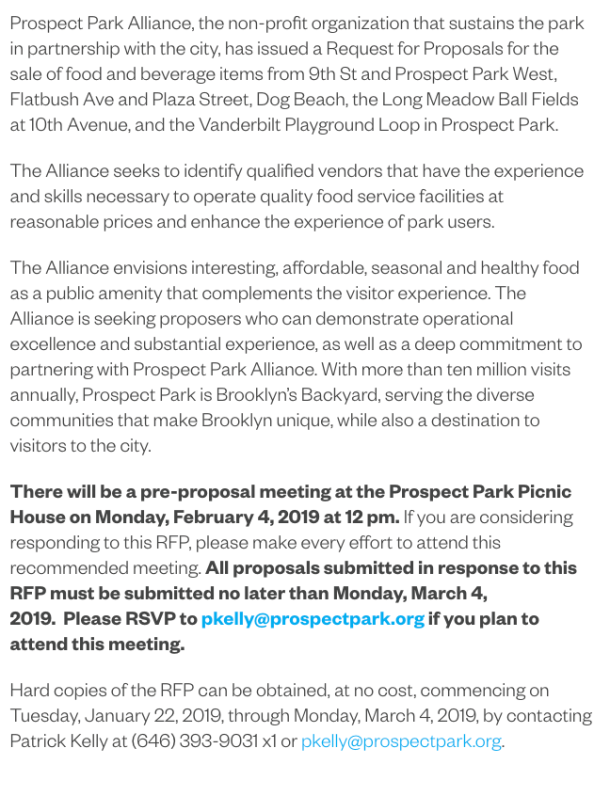
Request for Proposals for the Sale of Food and Beverages from Mobile Food Units at Flatbush Ave & Plaza St, 9th St & Prospect Park West, Dog Beach, 10th Ave Ballfields and the Vanderbilt Playground Loop in Prospect Park, Brooklyn, NY

Screen Shot 2019-01-23 at 5.49.47 PM.png

See more here.

U.S. FDA Says It Will Try to Resume Some Food Inspections

Related image

“The U.S. Food and Drug Administration will be restarting high-risk food inspections as early as Tuesday — a process many Americans may not have even known was halted.

FDA Commissioner Scott Gottlieb announced via Twitter the plan to resume high-risk probes on Monday afternoon, adding that “we started sampling high-risk imported produce in the northeast region today. We’ll expand our footprint as the week progresses. Our teams are working.”

The work is “being done by an inspectorate that’s largely going unpaid,” during the government shutdown, he added.”

See more here.

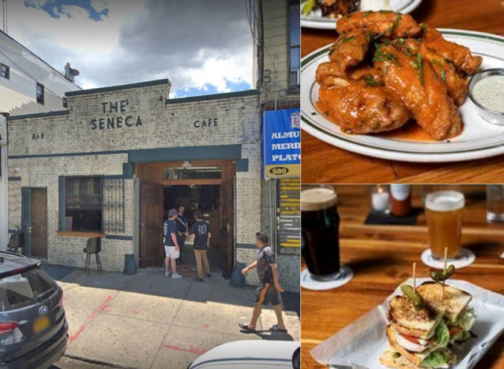
Webster Hall Team Opens New Seneca Avenue Restaurant

Screen Shot 2019-01-08 at 10.09.34 AM.png

“The family behind New York’s Webster Hall has opened a new organic American eatery on Seneca Avenue. The Seneca combines a coffee shop, restaurant and bar inside the new digs that opened last summer at 582 Seneca Ave., owners said.

The eatery features a full coffee menu, kombucha on tap, a full menu of beers, natural wines and cocktails, and a short menu of elevated bar food. A breakfast sandwich comes with house-made sausage and hot sauce, the chicken club comes on pullman bread and the tacos come with either chorizo, avocado or mushrooms.

The Seneca is open from Monday through Sunday from 10 a.m. to 2 a.m., the kitchen stays open until midnight and happy hour is from 1 p.m. to 7 p.m. every day, according to the eatery’s website.”

See more here.