Restaurant Wine in 2017

wine-2.gif

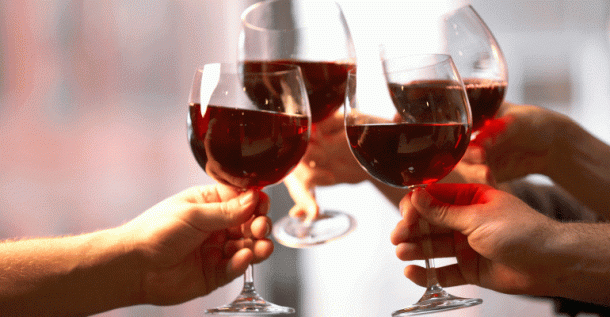
According to the report results of SVB surveys hundreds of U.S. wine producers, it forecasts 2017 wine sales will be flat. However, it doesn’t mean alcoholic beverage revenue will suffer. As we know beverage sell is big profit for a restaurant, so how to choose a good and papular wine to sell becomes a very important thing. But something needs to change for 2017 restaurant’s wine’s list. According to SVB report, more baby boomers are retiring and living on fixed incomes, and that influences their restaurant beverage choices as well. Because of that, consumers probably only order a beer or cocktail and having a glass of wine with dinner. And people will tend to choose more general and ordinary wine instead of fine wine. Also SVB suggests gives the youngest possible bottle, like light, easy-drinking styles in general should appeal for their refreshing.

If you need more information for 2017’s wine tend, please click here.

NYC Now Sells the Most Expensive Cup of Coffee in the USA

steampunk-coffee

Extraction Lab in Industry City, Brooklyn is now selling the most expensive cup of coffee in the United States. For $18, you can have a cup of coffee produced from Alpha Dominche’s Steampunk machines, which cost $13,900 for a pair. Extraction Lab has eight lined up in their shop, ready to brew you a specialized cup of coffee, if you are willing to pay the steep price. Extraction Lab also sells tea and pastries.


You can read more reporting from the Times here.

Beer Lovers Don’t Mind Waiting in Line

otherhalf21

Yesterday the New York Times ran a story highlighting the culture surrounding limited edition beer releases. The author highlights the practices followed by multiple breweries when releasing limited edition beers. Of particular note is the focus on Other Half Brewery located in Gowanus, Brooklyn. The brewery, which is known for its limited edition can release parties, can see people lining up overnight for up to 11 hours just for the chance to buy some beer. Craft beer may be old hat to some at this point, with some arguing that it is a bubble ready to burst, but these breweries show they have a dedicated, loyal fan base willing to wait for simply a taste of their product.


You can read the full article here.

The Economics of Valentines Day

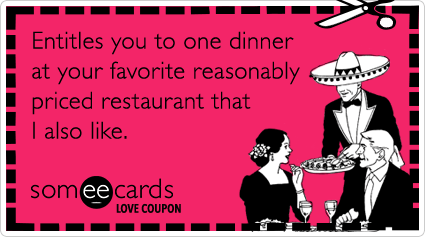
romance-dinner-money-love-coupon-valentines-day-ecards-someecards.png

Valentines day has become a massive revenue stream for restaurants, candy makers, flower shops, cards shops, etc. If you are a restauranteur or small business owner are you capitalizing on the importance of consumer driven holidays?

For restaurants, do you have a meal for two or set menu on the night of?

For QSR, do you run a promotion to bring people in your doors or offer a special catering menu for offices?

For small business owners in the CPG or Food Industry, do you entice customers with gift ideas or  special holiday packages?

People are always looking try new things and experience new flavors.  With a little marketing effort you would be surprised what February 14th could do for your business.

Click here to see just how big this market is.

Boulder, CO Is Becoming Bolder In The Food Start-up Scene

00BOULDER5-master675.jpg

Boulder is perhaps best known for craft beer and bicycles — there’s almost one for every person living here — and for being home to Mork and Mindy. But among foodies, it is also known as the place where new companies are challenging the old guard in the food business.

Up-and-coming food companies like Purely Elizabeth, Made in Nature and Good Karma Foods have relocated to Boulder to take advantage of the city’s deep bench of food executives, a food retail environment that prizes innovation and experimentation, and a growing pool of money for investments in food companies, among other things.

The money flowing to food start-ups here still trails New York and Silicon Valley. Food and beverage start-ups in Boulder, which has just over 100,000 residents, attracted $76 million from September 2012 to September 2016, according to CB Insights, a research firm, compared with $315 million in New York and $616 million in Silicon Valley.

But the vast majority of the money in New York and Northern California has gone to just a few companies. In Boulder, the money is more widely spread among dozens of companies that make everything from gluten-free cereals to probiotic drinks.

Continue reading here

Indian Dishes — Sanib

sahib_121.0.0.jpg

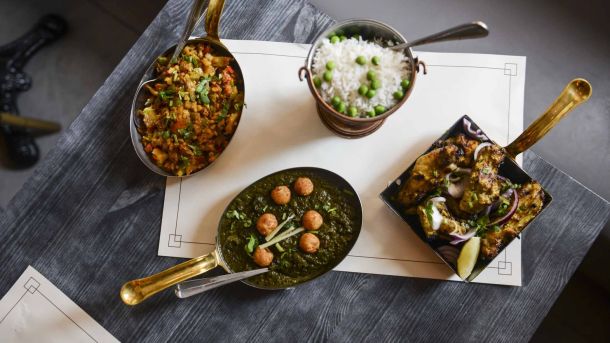
Over last decade, Indian food has been gradually inching upscale, so there aren’t quite as many cheap options. Indian restaurant provides more high-quality food and more regional Indian cuisines than ever before. The latest evidence of this trend is Sahib, a name that’s a term of respect derived from Arabic. Sanib provided food all over the India, some dishes are very common, but some of them you probably unfamiliar, but dishes mainly focus on North of India.The team is so attentive and really make you feel like family. The food was so flavorful and they seem to really care about providing guests with an authentic experience. If you want to know more information about Sanib restaurant, please click here.

More Problems for Chipotle in the Near Future

3027647-poster-p-1-lessons-learnedhow-chipotle-challenged-trends-and-launched-a-new-industry

Photo: fastcompany.com

As if Chipotle didn’t have enough problems already, the Mexican chain may be dealing with another crisis in the near future. If the 20 percent tariff on Mexican goods proposed by President Donald Trump is implemented, Chipotle could be looking at a major increase in expenses. Mark Kalinowski, an analyst who studies the restaurant industry, writes the chain “likely would bear the biggest brunt” in the entire industry. “Our belief is that the company generally obtains about 70–90% of its avocados from Mexico, all of its limes, the majority of its jalapeños, less than half of its tomatoes, and small amounts of other items (e.g., cilantro),” he estimates. Store sales have already decreased 5 percent again last quarter, the fifth straight that the chain’s reported declines. To read more click here.

Vestibule Season has Arrived

red_rooster_vesti

Photo: Eater.com

Ever notice around this time of year, a small detail about the outside of restaurant while walking down the streets of New York City? We’re talking about those acrylic and vinyl vestibules that pop up all around NYC as soon as winter hits. These vestibules are about the size and shape of a phone booth, steel-framed spring-door, and bolted to the doorway. Some have clear vinyl windows or heating elements, but they’re all essentially tiny way stations to capture the wind before you enter a restaurant. Although these may seem like a good idea, many people have their doubts. Some believe an outdoor vestibule may not do much to shield diners from the cold air if both the outer canvas door and the inner restaurant door open at the same time. There is also some question about where a restaurant’s property rights end and public space begins and whether these vestibules are even legal. Jay LoIacono, vice president of Acme Awning Co. a producer of these vestibules, told Eater that the city allows vestibules to take up sidewalk space so long as they’re removed in the spring. In other words, restaurants construct them because they can get away with it. And with a vestibule going for about $2,400 – it is a much cheaper alternative than interior renovations. To read more about New York’s fascination with vestibules click here.