
“Coffee farmers throughout Peru are weighing the relatively high costs of replanting old or diseased trees against low international prices. Such market forces are threatening the country’s already economically delicate coffee sector, according to the latest annual report from the United States Department of Agriculture’s Foreign Agriculture Service(FAS).
Peru remains the world’s leading exporter of organic Arabica coffee, with an estimated 90,000 certified hectares in addition to non-certified farms, which in many cases are following organic practices out of necessity due to lack of access to chemical fertilizers, pesticides and fungicides.
According to the FAS report, many smallholder coffee farms throughout Peru have not fully recovered financially from the leaf rust outbreak that peaked in the country in the market year 2013/14, affecting as much as 50% of the country’s total crop production.
While Peru’s Ministry of Agriculture has led an ambitious rust recovery and replanting program in the years since, and the federal government has initiated a sweeping marketing initiative for coffee, total coffee-farmed land in the country is estimated to be 390,000 hectares in 2019, a negligible increase compared to last year. The report further estimates that countrywide production volumes and export volumes will see slight increases over last year’s levels.”
Read more here.
 “United Natural Foods Inc. closed its $2.9 billion purchase of Supervalu Inc. on Monday, with Supervalu shares disappearing from the New York Stock Exchange as the first sign of the completed takeover.
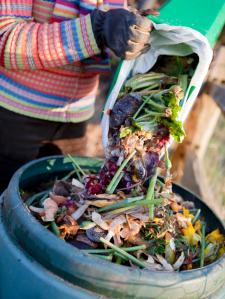 Mayor Bill de Blasio has proposed a bill that would require businesses to separate food waste and regular trash. Hotels, arenas and large-scale restaurants would be required to create systems and comply to this proposal regularly. The regulation applies to restaurants in hotels with more than 150 rooms, vendors in arenas and stadiums with seating capacity of at least 15,000 people, food manufacturers with a floor area of at least 25,000 square feet and wholesalers with at least 20,000 square feet. Mayor de Blasio believes “The commercial establishments in today’s proposal are already recycling plastics and metals, and by additionally recycling organic material, they will significantly contribute to reducing our city’s waste stream.” Exempt from this regulation are other food businesses like grocery stores, caterers, normal-sized restaurants and fast-food establishments. It is deemed that the sanitation department is set to publish this rule over the summer and is subjected to start after a 6-month grace period for businesses. Businesses will be given the option to arrange for collection by a private carter, transport organic waste themselves, or compost on-site, subject to compliance with the city’s sewer system. Business will be entirely liable for all costs and challenges associated with composting- space, price, arrangement.

 paigepapers.com