 The majority of America’s restaurants have always been independently run. NPD Group’s last count indicated that non-chains accounted for 54 percent of U.S restaurants, but with the current trend with Restaurants chains, the majority won’t last but another year or two. Over the past year, NPD has recorded that the total number of restaurants in America shrunk by one percent despite the openings of thousands of chain restaurants like Chipotle, and Starbucks. This indicates the decrease in the number of businesses that are not chain affiliates.
The biggest threat to independently run restaurants are the high rent prices. Diners and bodegas cannot afford the hike in rent and with recent cities where minimum wages has increased, a bigger cost can potentially occur to these independently run restaurants than it would towards chains like McDonald’s. New York City, for example, has had the decade’s biggest increase in chain stores. However, the number of bodegas have been decreasing. The expensive rent within the city has pushed many independent stores and restaurants out of business, where they no longer can afford the increased rent prices. Many chains like Rite Aid, and Key Foods has been driving bodega businesses uptown out of business.
To read more, click here.
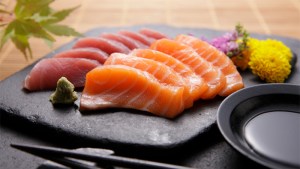 Sushi restaurants have lured gourmands by boasting of the freshest fish. But with new regulations, published by the New York City Department of Health and Mental Hygiene, restaurants are required that fish served raw, undercooked or marinated raw are to be frozen first to guard against parasites. This regulations has been approved by the Board of Health and will be set to take effect in August. The Health Department regulation is that fish will be required a minimum freezer storage time of anywhere from 15 hours to a week depending not eh temperatures and storage process.
 of Chicken sandwiches are evident. David Chang,
 paigepapers.com