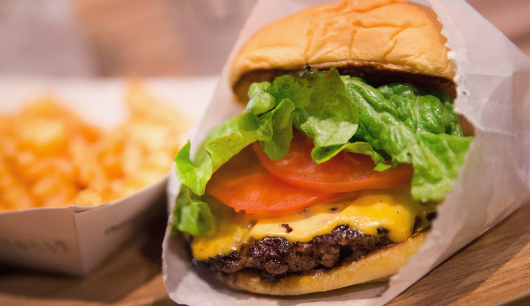
“Dollar cheeseburgers and discount nuggets are getting Americans in the door at their favorite fast-food joints, but the savings end there.
Even as the recent fast-food discount wars rage on, with Burger King advertising 10 chicken nuggets for $1 and Pizza Hut offering $5 pies, fast-food items that don’t make it onto value menus are actually climbing in price. Median fast-food hamburger prices have jumped 54 percent over the last decade to about $6.95, according to menu researcher Datassential. Chicken sandwiches are up 27 percent. Both surpass overall U.S. price inflation during that same time.”
“McDonald’s Corp., the world’s biggest restaurant chain, recently started touting a $6 meal including a burger, fries, a drink and a pie, but it’s also offering plenty of items at the other end of the price scale. Its honey-barbecue glazed chicken tenders are more than $6 without any drinks or sides, and the new Bacon Smokehouse Quarter Pounder meal runs nearly $9 in Chicago.”
Read more here.
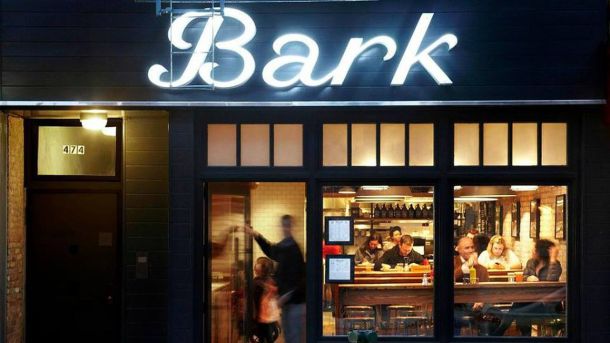 After a brief stint with a second location in Greenwich village last year which closed after six months, the 7 year-old Bark Hot Dogs will officially close up shop completely on February 7th. Bark was a Park Slope standby for many years, and owner Joshua Sharkey had previously talked about plans to open a different Manhattan location in a new neighborhood. That now seems unlikely, although Sharkey has been vague on the exact reasons for closure, stating only that (unlike the Greenwich Village location), rent was not the primary factor.
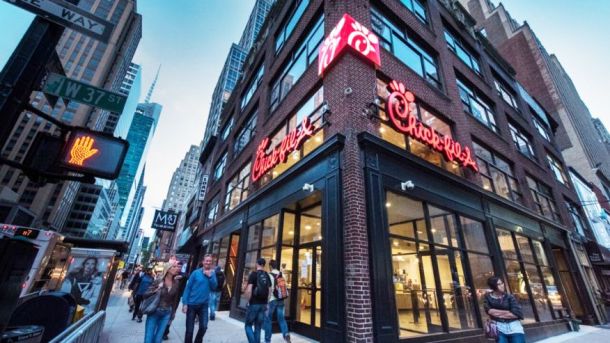 After a December Health Inspection that earned the fried chicken chain a damning C grade, the midtown Manhattan Chick-Fil-A has closed for five days in order to make improvements to operations and hopefully earn a higher grade on re-inspection. “Grade Pending” currently hangs in their window until the update is complete.
 City’s fast food worker minimum will rise to $15 by 2018 and the rest of the state by 2021. The increase in wages is in efforts to improve the lives of chain restaurant employees whose wages can keep them reliant on taxpayer-subsidized welfare programs. This policy will apply to not only company-owned restaurants with thirty or more nationwide locations but to franchise locations as well. As wages increases, labor costs increases resulting in price hikes for consumer goods. In a recent survey of 924 fast food businesses in New York, 70 percent were “very likely” to raise prices in response to the increase in minimum wages, and 83 percent of respondents claimed they were very likely or “somewhat likely” to reduce hours of staffing levels. This increase in higher wages could potentially prompt competitive salary increases throughout the hospitality and retail industries to avoid drama of workers who’ll suddenly find fast food jobs more attractive.
 paigepapers.com