
Activated Charcoal Drinks from Juice Generation
While it may not be a superfood in the strictest sense of the word, charcoal is now being touted by some as the next miracle ingredient that can rid your body of those mysterious toxins you somehow still have, even after eating nothing but kale and quinoa bowls since 2015. Activated charcoal has long been found in beauty products, and it is indeed used by the medical community to treat overdoses and food poisoning. The principle is simple – charcoal is absorbent and will bond to other harmful chemicals in the digestive tract, helping to flush them out safely. But some have now taken this a step further and claim that charcoal has numerous benefits (like lowering cholesterol and treating viral infections), even for those not currently in the middle of a drug overdose.
The ingredient may not do much in the way of improving taste, but it can be found in juices and elixirs everywhere from Los Angeles-based Juice Served Here to LuliTonix to Juice Generation, not to mention gracing recipes at Morgenstern’s Finest Ice Cream and Lowlife on Stanton Street. Other restaurants are also toying with adding charcoal-laced dishes to their repertoires, including El Rey and Dimes, if they can figure out how to do so without sacrificing flavor or texture. Mission Chinese Food even uses it in a cocktail to achieve a pitch black color, although beverage director Sam Anderson is adamant that it will not prevent hangovers – or do much of anything for your health, for that matter.
As the latest health trends move outside the realm of what might fairly be called “food,” the best advice might be to take your charcoal with a grain of salt – and never trust health advice that says your food can’t be tasty too.
To read more, click here.

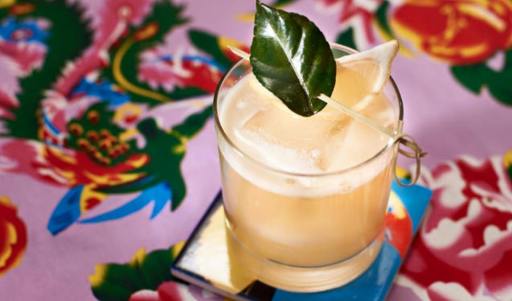

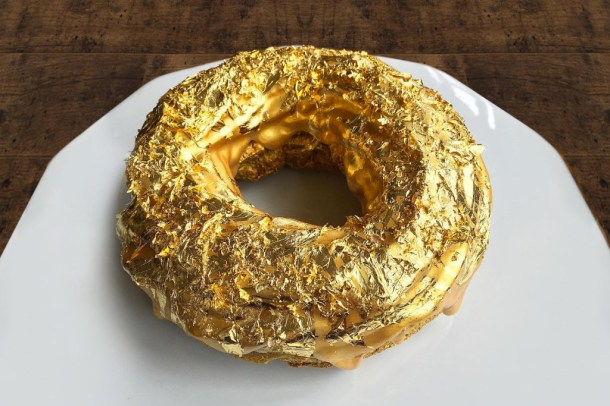 The New York Lottery has been running subway ads recently which feature allegedly true stories of egregious displays of wealth – thousands of dollars spent on dead bats or caviar that never gets eaten, for example – with the tagline “You’d make a much better rich person.” The idea is a catchy one, and it’s easy to find examples of people who will pay a little (or a lot) more to get the most luxe versions of everyday items, and businesses willing to provide them. The latest example is Williamsburg’s Manila Social Club, where you can now buy a $100 donut coated in 24-karat gold and Cristal champagne icing.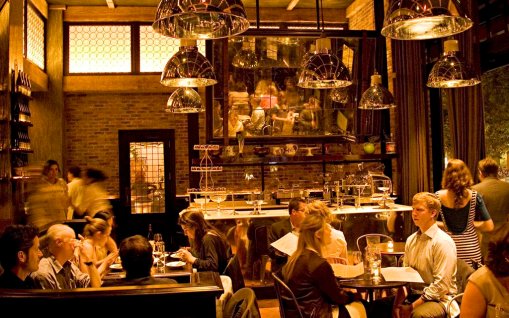
 paigepapers.com