Key ingredient in ‘Impossible Burger’ approved by FDA

“The Food and Drug Administration has approved the key ingredient in the vegetarian-friendly Impossible Burger. It’s a big win for Silicon Valley-based Impossible Foods as it expands its distribution.

The ingredient, soy leghemoglobin, releases a protein called heme that gives the meat substitute its distinctive blood-like color and taste. Just as the Impossible Burger was gaining in popularity and reach, The New York Times published a report last year revealing that the FDA was concerned that the soy-based ingredient had never been consumed by humans.”

View more here.
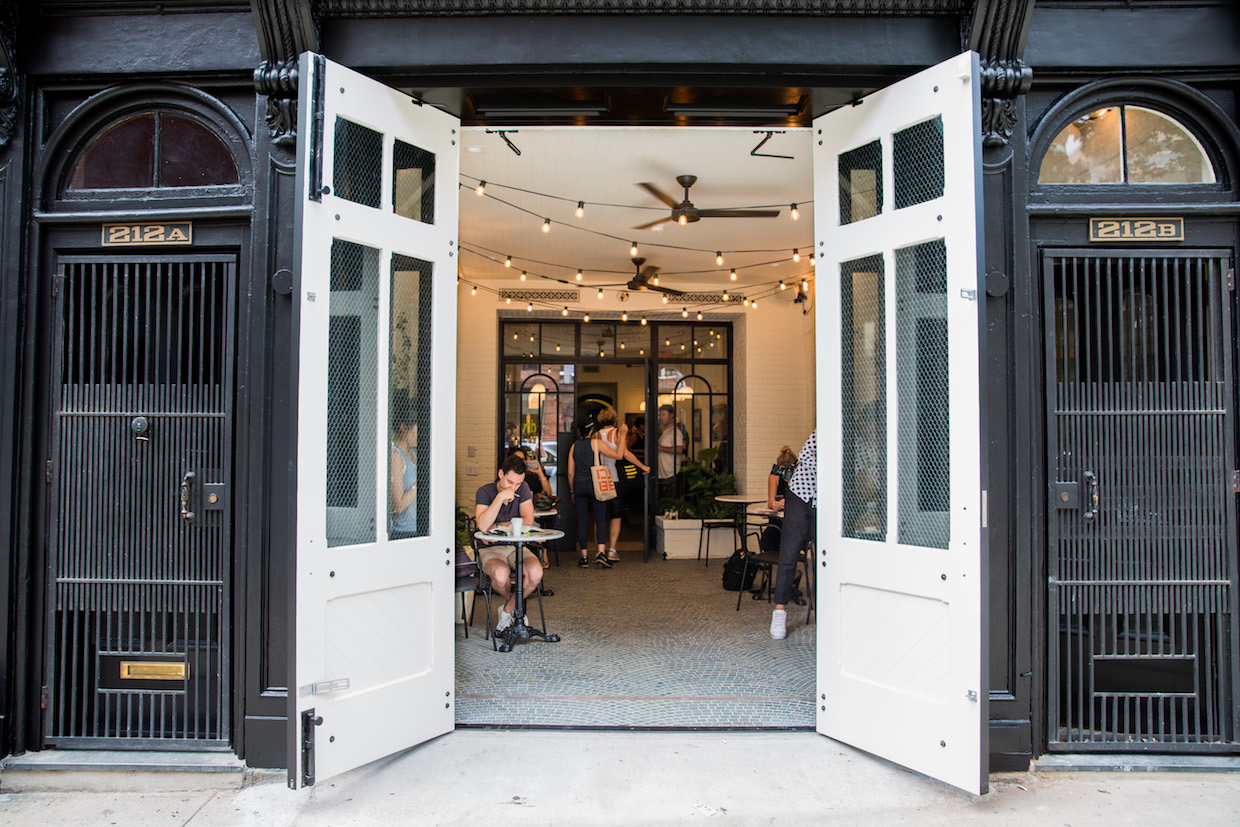
Stumptown Opens Third New York Cafe in Historic Brooklyn Firehouse

Stumptown Coffee Brooklyn Cobble Hill New York

“Portland, Oregon-based Stumptown Coffee Roasters today opened its third cafe in the New York area, inside an historic firehouse building in Brooklyn’s Cobble Hill neighborhood.

Coffee for the cafe will come from Stumptown’s Red Hook roastery, which also turns out coffees for the company’s other New York locations, including a bar inside the Ace Hotel in Midtown Manhattan and a Greenwich Village standalone cafe with an attached training lab that offers public tastings.”

Read more here.

Beer remains favorite drink in US

“More than four out of 10 Americans (42 percent) who drink alcohol said they prefer beer, while 34 percent choose wine and 19 percent opt for liquor such as whiskey.

Beer has almost always been Americans’ favorite alcoholic beverage across the last 26 years in which Gallup has tracked preferences. In 2005, wine gained favor and evenly vied for drinkers’ attention and did so again between 2011 and 2013, Gallup says.”

Read more here.

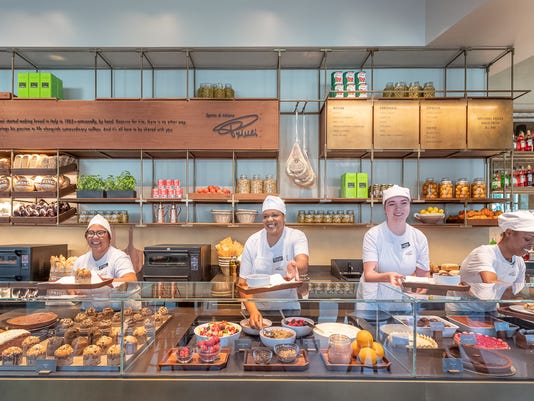
Starbucks rolls out Italian-style bakery concept

Princi-SEA-Commessas

“The Italian-style bakery will feature breakfasts including baked eggs and pastries; pizzas, soups, salads and sandwiches at lunch; deserts and breads. Coffee will include a Starbucks blend designed for the bakeries, and espresso beverages. It will also serve cocktails, beer and wine — the latest effort in Starbucks’ ongoing quest to drive sales in the afternoons and evenings.”

“In 2016, Starbucks then-CEO and executive chairman Howard Schultz tapped Milanese baker Rocco Princi as a food purveyor for the company’s new high-end retail formats, including its showpiece Roastery and Reserve stores. These are part of the Siren Retail strategy Schultz devised to appeal to coffee connoisseurs and bolster the broader brand cachet.”

View more here.

Dunkin’ debuts $2 snack menu to boost all-day sales

“Having mastered the coffee-and-doughnut breakfast trade, Dunkin’ Donuts is looking to expand its appeal at other times of the day.

The chain is going to offer what it calls a Dunkin’ Run menu aimed at take-out customers. Part of its appeal will be price — $2 per item for five products like its Donut Fries, doughnut strips that mimic the look of french fries, and chicken tenders with a waffle-like coating.”

Read more here.

Online shopping reaches 5.5% of total grocery sales

Online spending has reached 5.5 percent of total grocery spending in the United States, with current shoppers at online grocers driving most of the growth by increasing order sizes. But a new report warns that even though supermarkets are in a “strong position” to serve this demand, Amazon is challenging by linking its grocery services to Prime discounts and investing in Whole Foods Market.

Grocery shoppers that use online services most actively increased their weekly online spending as a part of total weekly grocery spending from 28 percent in 2017 to 46 percent in 2018, according to the new study, published by Brick Meets Click and sponsored by Winooski, Vt.-based grocery ecommerce platform MyWebGrocer.

Additionally, with the nearly 30 percent of U.S. households that already grocery shop online, average order size increased $62 in 2017 to $69 in 2018, while both penetration and order frequency remained relatively flat. This suggests that current users will drive near-term growth.

Read more here.

Astoria Will Soon Have Its Own Food Hall

The city’s aggressive insistence on opening food halls has now reached Astoria, where yet another real estate company is planning a multi-restaurant development.

View more here.

Essential Restaurant Reports To Keep You On Track

Big data is a big deal, especially in the restaurant industry. Because almost everything nowadays is trackable, restaurant reports give managers and operators access to an unprecedented number of juicy operational insights that can help them take their business to the next level.

The thought of having a world of data at your fingertips can sometimes feel intimidating or even overwhelming, but it should always feel exciting. Understanding the what, why, and how of restaurant reporting opens new doors of opportunity for you and your business.

Read more here.

Why $5 deals resonate with quickserve customers

“Chicken chain KFC has its $5 Fill Ups. Subway brought back its famous $5 Footlong sandwiches this winter. Little Caesars boasts a $5 Lunch Combo and Taco Bell has its $5 Buck Boxes. Plus, there are Dairy Queen’s $5 Buck Lunch and Carl’s Jr./Hardee’s $5 All Star Meals that debuted in September.”

“Psychologically, $5 still seems like not lot of money. It’s just a denomination of a bill,” said Ravi Dhar, director of the Center for Customer Insights at the Yale School of Management. “It can make it easier than if you’re spending $5.50 and you have to break a $10. You’re spending 50 cents more, but it feels like more.
That sense of getting a bargain is significant, especially among millennials.”

Read more here.

McDonald’s Takes Aim at Big Labor Problem

Quick-service giant McDonald’s, which employs some 850,000 individuals across the U.S. either directly or through its franchise partners, is beginning to craft thoughtful, calculated solutions to a problem affecting its restaurants and other businesses across the country.

As a large and prominent U.S. employer, McDonald’s understands it has a leading role to play in addressing the soft skills gap, Kersey says. To that end, the Chicago-based corporation has already taken action to modernize its training programs for restaurant employees, including the debut of digital training that places a greater focus on hospitality and prioritizes teaching people skills like customer service and teamwork while emphasizing attitude and communication.

Soft skills developed in first jobs, Kersey says, establish a strong foundation from which employees can build upon over the course of their working lives, which heightens the value of McDonald’s efforts—and those of many others—to address the soft skills gap.

View full article here.