Okay, we admit it, this may not seem like a problem to guests ordering food at a fast casual chain; but to restaurant owners who are considering switching from human servers to tablet ordering (that is, placing tablets at tables or the front of the dining area where guests can click through their order rather than speaking to a server), there’s new evidence to consider. According to a paper published in the Journal of Consumer Research, guests are actually less likely to indulge in decadent food and treats when they order from a tablet instead of a person. And while this could be good news for restaurants gearing toward the health conscious (like Sweetgreen, which already handles the majority of it’s ordering through a mobile app rather than face-to-face sales), it bodes less well for establishments like bakeries, pizza places or fast food chains.
The findings are interesting because they contradict an assumption many have, that guests are more likely to indulge if they don’t feel they can be judged by a server. Instead, the research suggests guests don’t feel judged at all – they feel encouraged to treat themselves, and are less likely to control ordering impulses when speaking than clicking a button.
There are certainly other reasons to shy away from tablet ordering, especially when hospitality is the backbone of your business. But for those considering the benefits, this research is one more factor to weigh in.
To read more, click here.
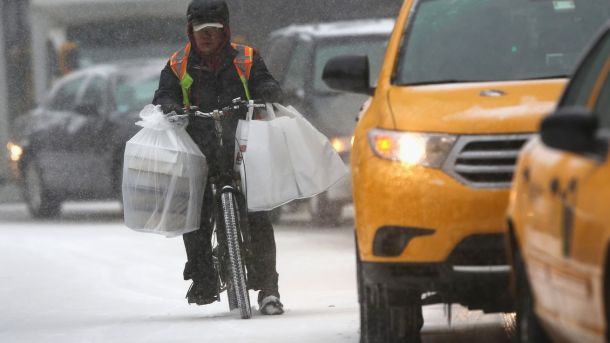 Since 2014, Seamless has been quietly testing its “turnkey delivery service” – drivers and bikers whom restaurants without their own in-house delivery team can use to deliver food through the app. We say “quietly” because it’s impossible to tell through the Grubhub/Seamless interface which restaurants are using these delivery people, and which are using their own, and the company has declined to say just how many restaurants are using the service.
 This weekend a (now former) Yelp employee, Talia Jane, wrote an open letter to her employers revealing the financial struggles brought on by her low paycheck, and criticizing the irony of the company spending millions on a food delivery app while employees “can’t afford to buy food.” The post was widely shared, and Jane was subsequently let go – a move which, predictably, Yelp Human Resources claims was not caused by the letter but which Jane herself says was a direct result.
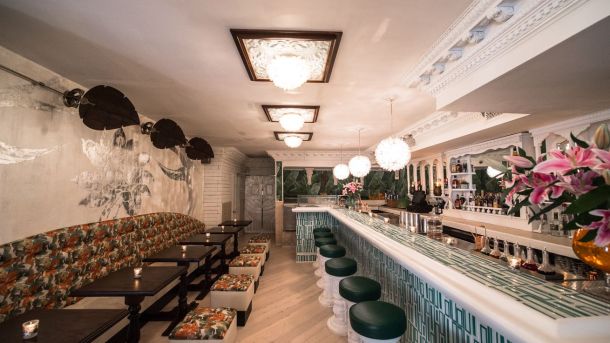 Ravi DeRossi, the restaurateur behind Death and Co, Avant Garden, Mother of Pearl and 12 other bars and restaurants around the city, is making a serious push to turn all of his operations fully animal-free. He’ll be starting by expanding the already vegan Avant Garden into multiple spinoff concepts, as well as closing the charcuterie-focused The Bourgeois Pig and reopening it as vegan wine and tapas bar LadyBird. All of his restaurants are in for some sort of shake-up, and it seems his mixologists won’t be safe either, as cocktail and beer lists will be purged of the often ignored animal ingredients that are sometimes used in drinks.
 paigepapers.com