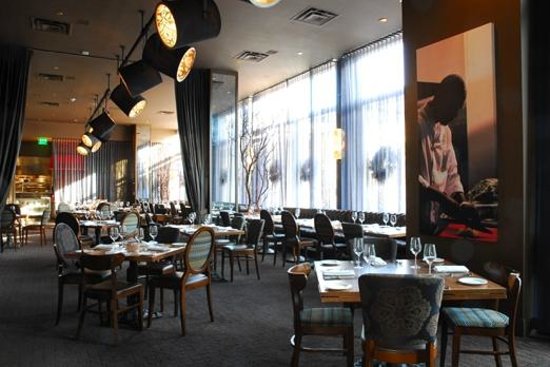
 The second most expensive restaurant in NYC, after Masa, is ranked to be Per Se. Thomas Keller’s Per Se is already priced at $310 including service and the dinner menu. However, in 2016 there will be a raise in its prices to $325. This increase will clear the way for other restaurants to follow suit as restaurants across the city prepare to grapple the cost of minimum wage increases and increasing food costs.
The three Michelin-starred venue hiked its prices, typically does every two to three years, was in early 2014 after the state’s minimum wage went up by 75 cents to $8. The upcoming hike concedes with the increase in the restaurants prices with the minimum wage increasing by a quarter to $9, and the tipped-minimum by 50 percent to $7.50.
Per Se will unlikely have a direct impact from the changes in regulation as tipped minimums don’t apply because service is included already in Per Se’s system. But the minimum wage change can influence the overall composition of hte labor force, and cause those that are already making more than minimum to seek corresponding raises to avoid salary compression with those receiving government-mandated increases. Per Se’s increase in $15 is deemed to be valid considering new federal overtime regulations, rising food costs, the ned to give merit-based raises to retain staffer.
With the increase in labor force in New York City, many restaurant owners have diverged in ways to cope with and strategically arouse the new regulation. Danny Meyer has eliminated tipping and instead raised menu prices, while Per Se is raising prices by $15 with already menu included tips. Overall, restauranteurs are finding alternative solutions to earn revenue to cover increasing costs. Dining out will become, even more, expensive in the following years with Cuomo’s integration of the $15 minimum wage campaign.
To read more, click here.

 California has declared a drought emergency almost 19 months ago and is still implementing new ways to conserve water. In its efforts, California has given clear instruction to Sugar Pine Spring Water to change their water source out of California. Sugar Pine Spring is the company listed as a certified source of Starbucks bottled water Ethos. It uses “California’s bone-dry water supplies in its mission to alleviate worldwide thirst.” Starbucks, however, has complied with state regulations and released statements to switch to a new water source within six months that isn’t experiencing regional drought.
 Eater asked New York’s best food critics to anonymously share their frustrations about the restaurant industry. A total of 26 complaints were complied to help owners and businesses in NYC’s restaurant scene to avoid bad criticism from food writers.
 oods, it’s trademark is the Kulfi Ice Cream. New Yorkers are no stranger to Kulfi as it has already entered the market in the past through grocery vendors and other traditional Indian restaurants. However, the Kulfi at Babu Ji is unique in that Jessi Singh, the restaurant’s chef and co-owner, invests almost an entire day into making a Kulfi. Continuous stirring of the milk base and adjustments of temperature create a consistency different from an average ice cream. Kulfi has a more chewy texture that is smooth, creamy and dense and in the last bites there is cardamom and pistachio. Babu Ji offers only one flavor right now but Singh intends to bring more flavors with local fruits and in “clove-and-ginger-charged chai.”

 paigepapers.com