Starbucks becomes the Greenest Company in the World

starbucks1Starbucks has over 23,000 stores worldwide, and has converted a number of the locations into being eco-friendly. Starbuck’s business model to become more environmentally friendly has finally paid off. They opened a new location that is the 700th LEED-certified location worldwide, which established Starbucks to be the most eco-friendly company. Starbucks plans to double the amount of LEED-certified locations by the end of 2016, with over 1,200 certified stores.

Starbucks first initiated their plans to convert store locations to be LEED- certified in efforts to rebrand their “chain” image. They hope to win back consumers by producing a “hip” coffee atmosphere where the furniture is slid wood, employees are wearing artisan aprons and siphons LED-equipment. However, even with these efforts, many critics still label Starbucks to be similar to “the Cheesecake Factory” with chain-like atmospheres.

To read more, click here.
Keurig Sees Decline in Sales

The Keurig machine has become a home-appliance maker that many consumers envy. However, this year a decline in sales of Keurigs and K-Cups are evident. After closing the third quarter of 2014 up 13 percent, they dropped every quarter since by 22 percent this past summer.

One of the main reasons for this decrease is environmental concerns. The K-Cup pods are un-recyclable, and while Keurig plans to make K-Cups recyclable it will not be available till a distant date. Another reason for this decline is because the new Keurig machines, 2.0, are equipped with DRM technology that prevents customers from using other brand of pods. This limits the variety, and choice of consumers who may prefer other brands of coffee/tea outside of Keurig brands.

Customers have outlined their complaints towards the Keurig, and CEO Brian Kelley has already started to implement new strategies to make improvements. Kelley is hoping to make the Keurig less bulky, less expensive, a better drink selection and servings larger than eight ounces.

To read more, click here.

Constellation Brands acquires Ballast Point Brewing Company

16-ballast-point-beer.w529.h352Ballast Point Brewing Company has been acquired by Constellation Brand for $1 billion. Ballast Point first started in San Diego out of a home-brew supply shop. It has a strong indie-brewing tradition and is based in America’s most prominent craft-beer cities.

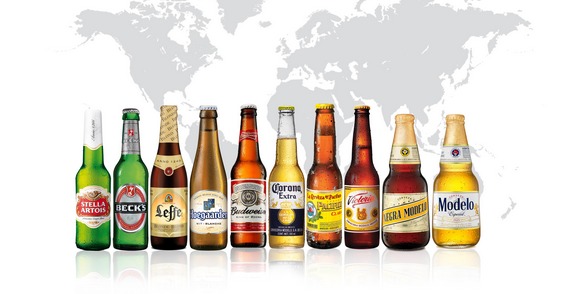
Constellation Brand is the world’s largest wine producer and owns most of the Mexican beers popular in America like Corona, Negra Modelo. However, even after the acquisition Ballast Point’s ownership disclosed that it “will continue to operate as a stand-alone company with its existing management team and employees running the day-to-day operations.”

This sale continues the latest trend of craft breweries being overtaken by large international companies. By the end of this year, Constellation Brand will now own the 37th largest craft brewery brand.

To read more, click here.

Urban Outfitters to Acquire Vetri Family

image-tenant-urban-03Popular clothing brand Urban Outfitters, which also owns Anthropologie and Free People among other brands, has announced that they will be buying Philadelphia’s Vetri Family restaurant group. Over last few years, Urban Outfitters has been integrating food and dining into its stores, with Ilan Hall’s the Gorbals opening in the Urban Outfitter’s complex in Williamsburg. Urban Outfitters cited increased spending in the food industry and the decrease in traffic in actual stores because of e-commerce as issues to turn attention to food and dining within their brand.
The financial details have not  yet been disclosed, but is proposed to be completed by the end of the year. Marc Vetri is one of the the country’s preeminent chefs and his restaurants like Osteria, Alla Spina and Pizzeria Vetri will now be owned by Urban Outfitters. However, operations within the restaurants will not change after the deal. Vetri and his partners will be running all of Urban Outfitter’s food and drink sectors including his restaurants and future expansion strategies.

To read more, click here.

Nationwide Restaurant Chain Eliminates Tipping

With Danny Meyer’s making recent headlines with restaurants under the Union Square Hospitality Group eliminating tipping, the head of Ignite Restaurant Group has also recently revealed to investors that all Joe’s Crab Shack locations will be testing a gratuity-free model. Joe’s Crab Shack has locations nationwide, and has already implemented no tipping in 18 restaurants with more on the way. Being the first of a casual mid-range chain to implement gratuity-free policies, this proposes options for other restaurants to follow its model.

The policy has increases serves wages to start at a flat $14 an hour, instead of $2.13 and tips. The menu prices will rise by 12 to 15 percent to compensate the extra labor costs. However, noted by generous tippers, implementing such policies while increasing menu prices is still a cost benefit to themselves.

Ray Blanchette, CEO of Ignite, believes Joe’s Crab Shack’s conversion to a gratuity-free policy is sensible because their consumers are mostly big groups and waiters dislike doubling up on tables and splitting tips. The policy test is expected to run through at least the end of the year, and Blanchette says “We’re really leading in our industry with regards to national brand going out and testing this thing in a meaningful way. So we want to be somewhat cautious.”

To read more, click here

One Third of Beers to be Brewed by New Merged Company

a-b-inbev-modelo-corona-mergerAnheuser-Busch InBev and SABMiller have formalized their merger. With this huge merger of popular beers, it is forecasted that one in every three beers sold worldwide will come form this megabrewer. AB InBev will pay $106 billion for SABMiller, which is a higher than the expected offer.

Because of their monopolized merger, many regulations and scrutiny is expected from this transaction. However, both companies have already taken into consideration the amount of regulatory scrutiny by creating side deals to sell SABMiller’s 58 percent stake in MillerCoors to Molson Coors. Molson Coors will control Miller Lite, Coors Light, and Blue Moon. Even after this transaction, the new megabrewer will overshadow shelves of the Americas, Europe, China, Africa and Latin America with other low-cost beers like Budweiser.

The new merger between AB InBev and SABMiller have been confirmed, but the new company name is yet to be revealed.

To read more, click here.

Luxury Burgers at McDonald’s

04-mcdonalds-classic.w529.h529-1The release of an Angus Third Pound burger at McDonald’s was deemed to be a “fine-dining” shift to their menu. However, McDonald’s is no longer content with just an Angus Third Pounder but is now testing a “Signature Collection” in England. The new collection boasts the thickest patties on their already existing menu. The “Premium range” line will incorporate 100 percent locally sourced beef and ingredients like beechwood-smoked bacon and whole-grain mustard. Moreover, this new premium collection will be sourced and made from “chefs from Michelin-starred restaurants.”

With the release of the new collection, many are speculating the shift in similarity to burgers at Shake Shack or Five Guys. This is one new strategy that McDonald’s is approaching in order to revamp and reposition their burgers. McDonald’s hopes with the success of the new burger line, it will be implemented not only in England but all over the world. The premium collection is also encouraging consumers to opt for table service and to eat in.

To read more, click here.

Whole Foods Shares Dropped Nearly 50 Percent

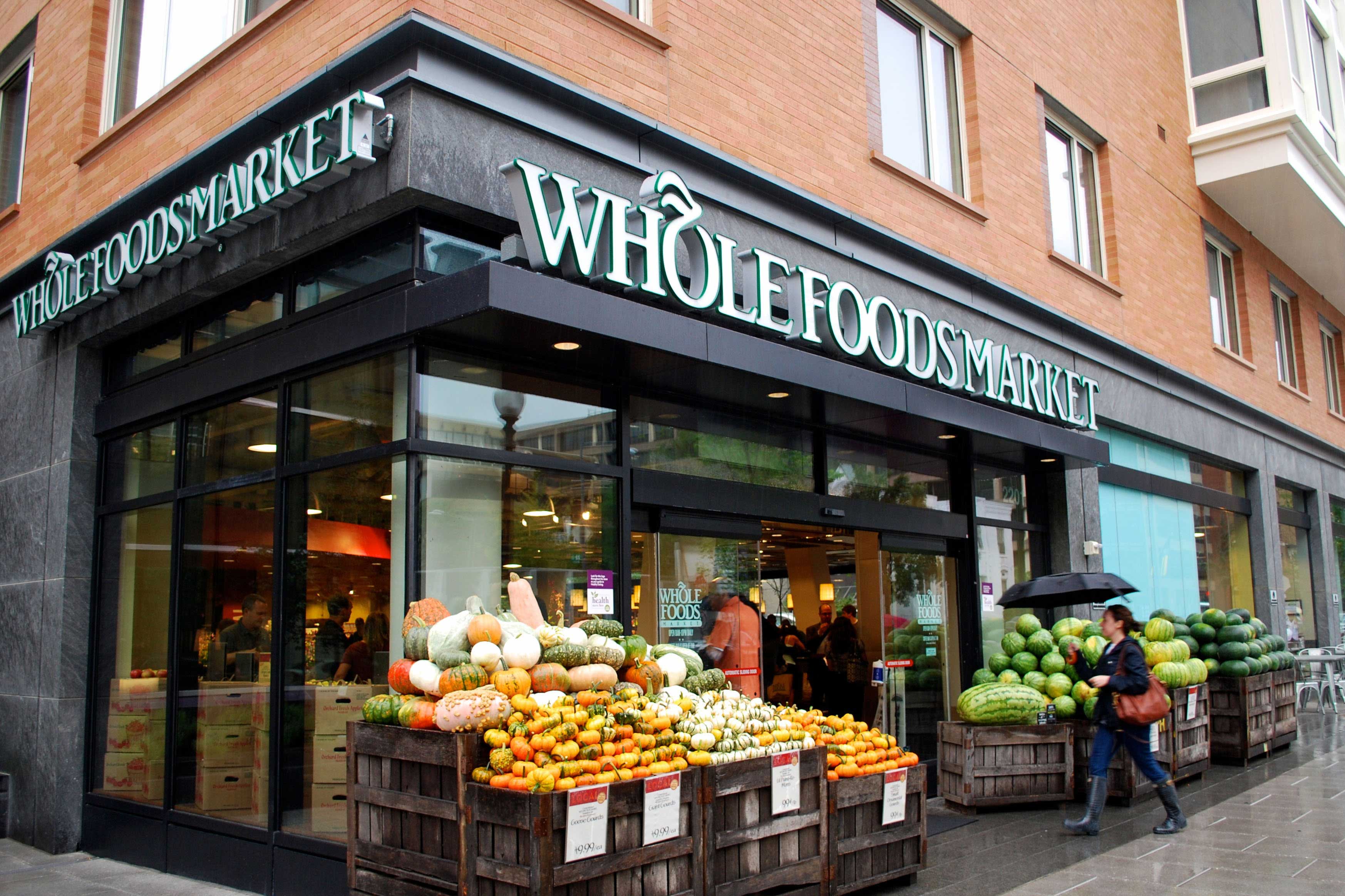
whole-foods11Despite the rise in organic foods, Whole Foods shares are down almost 50 percent. Investors are “uniformly negative on the company” because they don’t see an increase in performance in the future because of increasing competitors like Costco that are selling organic products at lower prices. Mark Retzloff, an industry pioneer, says “If one of those stores is just down the street from a Whole Foods, there’s a big segment of their customer base that isn’t going to shop at Whole Foods anymore.”

Whole Foods has always been deemed as being overpriced, being named “Whole Paycheck.” However, Whole Foods used to fight this “price image” problem by promoting their quality and selection to shoppers. More shoppers and activists are realizing that Whole Foods have “routinely” overcharged customers, even with their latest scandal. After coming clean of “mistakenly” overpricing products at Whole Foods, sales fell immediately. Growth tumbled to just 0.4 percent, after being 2.5 for weeks. Whole Foods says “it actually hurt worse outside New York City,” even though the price disparities scandal was at New York City.

While many analysts believe that cutting prices will increase performance and brand equity, co-CEOs John Mackey and Walter Robb believe that changes in products to cater at a lower cost does not correlate with their values. “Sure we could sell cheaper farmed salmon- but it’s terrible for the environment. Our products are not the same as what other grocers are selling,” says Mr. Robb. Whole Foods co-CEOs disclosed that they have no intentions to alter their products to cheaper products.

To read more, click here.

World Health Organization advocates Processed Meat Causing Cancer

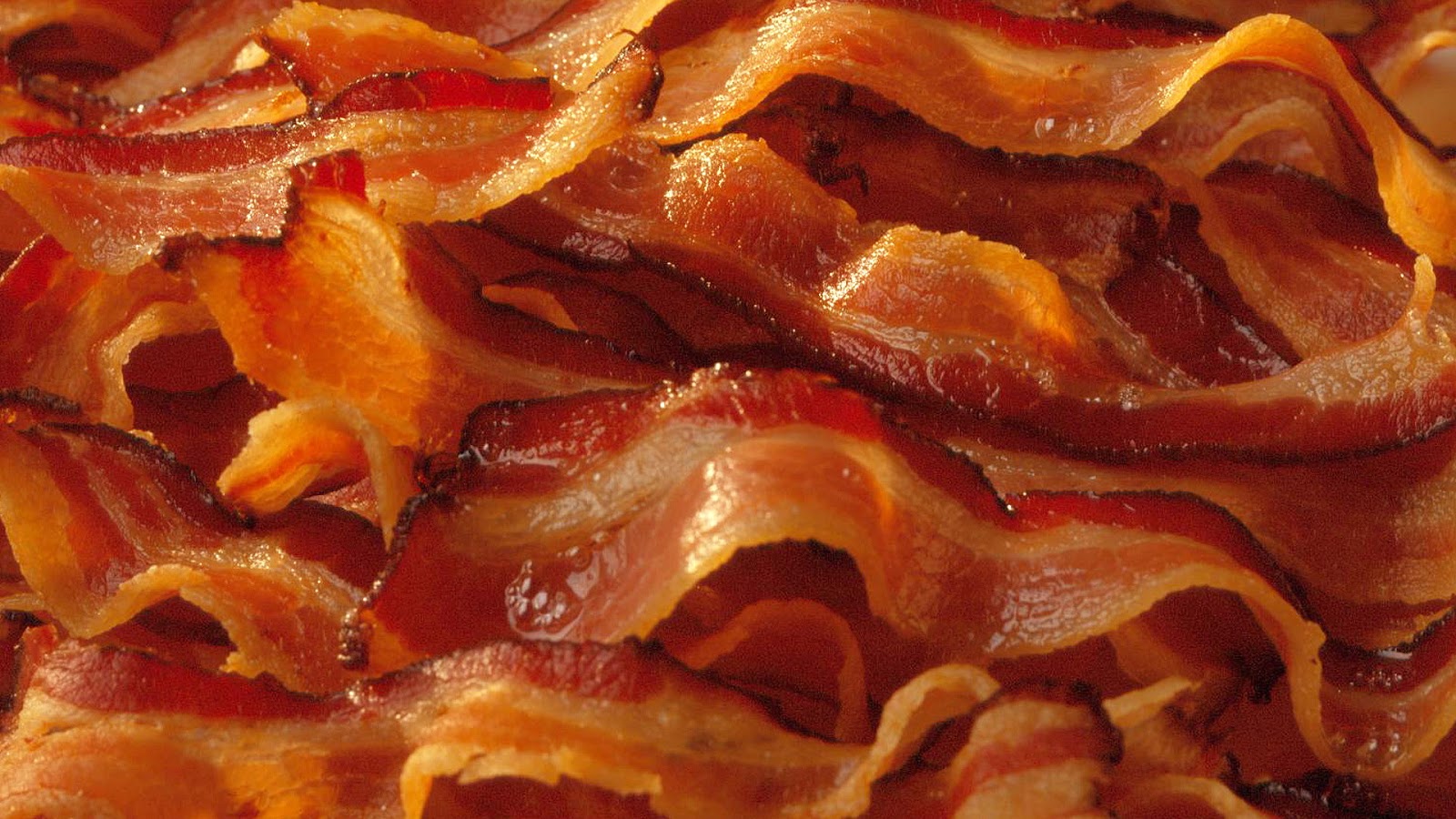
baconRed meat causing bowel cancer isn’t a new idea but rather has been a common claim the rouses a lot of attention. However, now, the World Health Organization is an advocate of red meat linked with bowel cancer especially when processed. The organization says that 50 extra grams per day of meat that is cured, smoked or loaded with preservatives ups the chances of getting colorectal cancer by 18 percent. The fatty red meat, is also a risk where it is now in group 2A or “probably carcinogenic to humans.”

However, while claims of red meat causing cancer is making major headlines, the North American Meat Institute has naturally discredited the information. “They tortured the data to ensure a specific outcome.” The trade group also notes that processed meat is just one of 940 other different things the IARC claims to pose theoretical hazards.

The IARC notes that experts are researching into this matter further into detail, however are not advocating that everyone does not eat meat in general. One expert says the decision “doesn’t mean you need to stop eating any red and processed meat. But if you eat lots of it you may want to think about cutting down. You could try having fish for your dinner rather than sausages.”

To read more, click here.

Seaweed to be the Next Kale

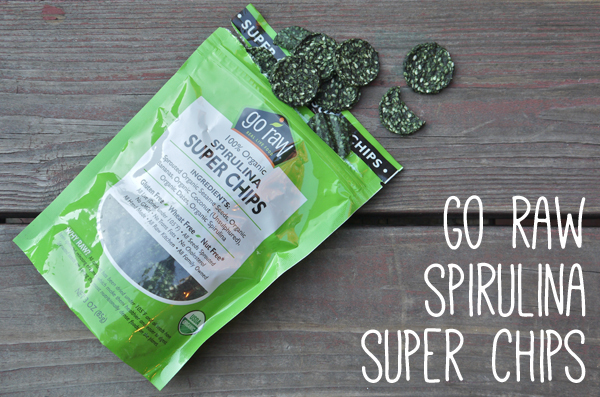
go-raw-spirulina-chipsSeaweed is “one of the world’s most sustainable and nutritious corps. it absorbs dissolved nitrogen, phosphorous, and carbon dioxide directly from the sea- its footprints is negative- and proliferates at a terrific rate” says Dana Goodyear. Because of its abundance in supply and its benefits to people, entrepreneurs, scientists, and farmers are hoping to make seaweed the next big thing, and the future of the human diet.

Bren Smith, the owner of Thimble Island Oyster Company and a pioneer of vertical aquaculture, believes the shift for Americans to tend towards seaweed can be very similar to that of kale. While Americans might be strange to the flavor and texture of seaweed, people can be taught to love the stuff. Smith is convinced that kelp is the new kale, and has already set plans for kelp smoothies, etc.

Seaweed is, of course, a regular diet of several East Asian countries, with farms producing tons of kelp, nori and jijiki to its market. However, there is an already emerging market for seaweed snacks in the U.S. Sales of seaweed snack are growing by 30 percent annually, with 2014 sales reaching $500 million.

To read more, click here.