All Day Breakfast at McDonald’s Not So Great After All

Mcdonalds-90s-logo.svgAn all day breakfast menu has been an option that McDonald’s fans have been requesting for a long time. However, while McDonald’s did open breakfast menu’s to all day in 229 locations, results have showed that, more havoc was caused then making greater sales.

Franchisees for 229 U.S. locations participated in a survey about the breakfast menu and called all-day breakfast “erratic, distorted, disorganized” and “a non-starter.” Offering all-day breakfast slows down service considerably and creates inconvenient damages, and situations in the kitchen. “People falling over each other” and “equipment jammed in everywhere.” Franchisees also report that sales aren’t that great, and even if they were it’s damage is worse. “We are trading customers down from regular menu to lower-priced breakfast items.”

McDonald’s hoped with its extension of the breakfast menu, many locations would grow in sales. However, while customer demands were met, because of the effects of slow service and sub-par quality, many customers are tending away from the fast-food chain. All-day breakfast also creates more work, and for franchisees to hire extra labor.

Company executives in Oak Brook seem to be the only locations that insist that all-day breakfast was “successful.”

To read more, click here.
All Organic Avenue Stores to Close in NYC

urlJuicing stores have taken New York City by storm with multiple retail stores from Juice Press to Organic Avenue opening all around New York City. With the shift in the food industry to organic produces, “green juices” have rapidly become popular and its own trend. However, with the recent acquisition from Vested Capital, popular juice company “Organic Avenue” has announced that they will be officially closing all ten New York locations.

A fallout on juices have become a growing sight in New York City with recent closings of the Juice Press on East 10th Street and other locations within the East Village.

To read more, click here.

Cake Doughnuts at Dough

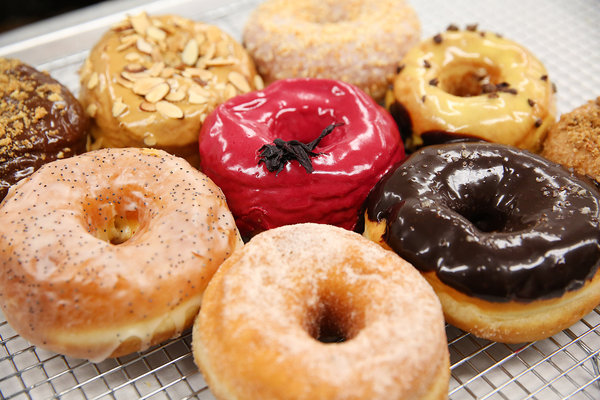
54a30dc55ad7f-dough-brooklyn-donut-bakeryDough is already proclaimed for their perfectly formulated yeast doughnuts- crunchy exteriors with pillowy insides. However, recently Fany Gerson has been experimenting new forms of doughnuts. The first released were “doughka,” which are babka made with doughnut dough. Now, Gerson plans to formulate the perfect cake doughnut.

Gerson experimented with a lot of recipes using a traditional depositor, but because she wasn’t content with the results, she shifted to making a version that rolls and cuts. “This way, I could also play with things I could put inside,” she says. “I wanted to do a cake doughnut that has a lot of flavor and is dense but not too greasy. Cake doughnuts are much heavier in general, and as a good friend put it, they were probably created to be dunked in coffee.”

After numerous attempts, Gerson will, finally, be releasing her perfectly formulated cake doughnuts today. There are three flavors- sour cream rolled in cinnamon sugar, lemon-buttermilk, and banana-chocolate-chunk. Each cake doughnut is $2.50, and is available after noon today. With only three flavors available now, Gerson plans to explore different flavor options for the cake doughnut. One in particular that is set to be released is an apple-pear-cider cake doughnut.

To read more, click here.

Danny Meyer Eliminates Tipping

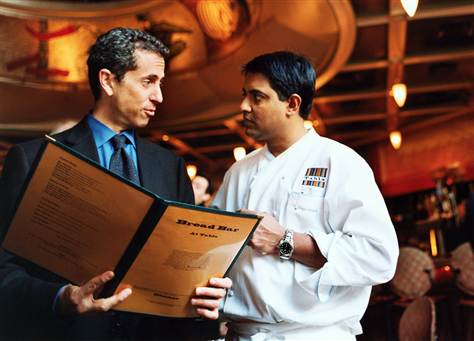
g-081009-biz-meyer-5p.grid-6x2Danny Meyer is one of the most influential leaders in the hospitality industry. His restaurants range from high scale restaurants like the Gramercy to his famous burger chain, Shake Shack. Recently, Meyer outlined his plans to eliminate tipping at every restaurant in Union Square Hospitality concepts. Instead, prices on the menu will be raised to “hospitality included.”

Debates on whether the hospitality industry should eliminate New York City has been a reoccurring discussion. Some restaurants have already took initiatives to eliminate tipping, however, no regulation has been introduced to the industry. Advocates of eliminating tipping is hoping that with Danny Meyer’s shift to “no tipping,” it will help to revolutionize the industry in general.

The first restaurant to implement the change is the Modern. The cost of each dish will be increase 30 to 35 percent, and a note about the new policy will be on the menu. Unlike, Per Se, there will be no extra space for customers to write an extra tip on the bill. Meyer believes the increase in dish costs to include hospitality will benefit every staffer employed by his company. It will allow proper pay to low-earning cooks who won’t benefit from New York’s increase in minimum wage.

With a “no tipping” policy, employee salaries have been altered to cater to the change. Meyer’s employees will earn at least $11 per hour for back-of-the house staffers and $14 per hour for cooks, and $9 per hour for dining-room staff.

To read more, click here.

Coke and Pepsi want Shares of Chobani

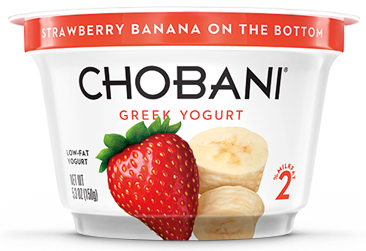
fob-low-fat-strawberry-banana-53ozChobani, the Greek-yogurt company, has announced their plans to sell off between 10 and 20 percent of the company. Although Chobani is a gree-yogure company, the two biggest suitors for the company shares is Coca-Cola and PepsiCo. With either of the company’s investment, Chobani can be potentially worth as much as $3 billion. Moreover, with an investment from an empire company like Coca-Cola or PepsiCo, Chobani can collaborate with strategic plans for distribution and manufacturing of their products.

Coca-Cola and PepsiCo plan to acquire shares of Chobani and its products, one that trends have catered towards. Industry analysis and trends show people are not diverging from the greek-yogurt trend. Moreover, with Chobani’s recent headlines of Chobani founder, Hamdi Ulukaya acquiring shares of La Colombe, and its future plans on collaborating with both companies, Coca-Cola and PepsiCo. are eager to be involved with Chobani’s growing partnerships.

To read more, click here.

Starbucks Hires Its First Chief Technology Officer

Starbuckscard_heroStarbucks has been moving quickly to adopt new technology in their restaurant. It invested in Square, installed Clover coffee machines, which makes more individual cups of brewed coffee, and recently introduced “Mobile Order and Pay.” This focus in technology has inevitably proposed a new position at Starbucks- Chief Technology Officer. The company has announced that Gerri Martin-Flickinger will serve as the company’s first-ever chief technology officer. She served as the senior vice-president and chief information officer recently at Adobe, where she got major praise for shifting the company’s software to a cloud-based system.

This new position is replacing the title of chief information officer. This swap in title reflects the mobile focus that Starbucks is shifting to in the future. Starbucks has announced that “We needed leadership talent with deep experience in cloud, big analytics, mobile and security to take us to the next level…Gerri stood out as someone who has years of experience in Silicon Valley and brings deep management and technical expertise to help us navigate the future.”

Starbucks hopes that with Martin-Flickinger, the company will enter “its next phase” in technology. Martin-Flickinger will take up the role officially on November 2.

To read more, click here.

World’s Two Biggest Beer Makers Agree to Be A Single Beer Brewer

ABInBevAnheuser-Busch inBev, one of the largest brewing companies that make different beers including Budweiser, Stella Artois, Corona, Michelob Ultra, Beck’s, Goose Island, Bud Lite Lime-a-Rita, has recently proposed a merger with SABMiller, another major brewing company that produces beers like Coors, Coors Light, Blue Moon, Miller. SABMiller has agreed with AB InBev’s terms to pay $104 billion in the deal. This merger will result in annual revenues of $64 billion that is potentially 30 percent of beer sales around the world.

While the terms to the deal has been agreed by both companies, the “mega-company” will inevitably face regulations that will change the logistics of the ‘new’ company. However, independent craft brewers will not be facing greater issues to stand as a competing brewer in the industry.

To read more, click here.

Starbucks to Accept Apple Pay

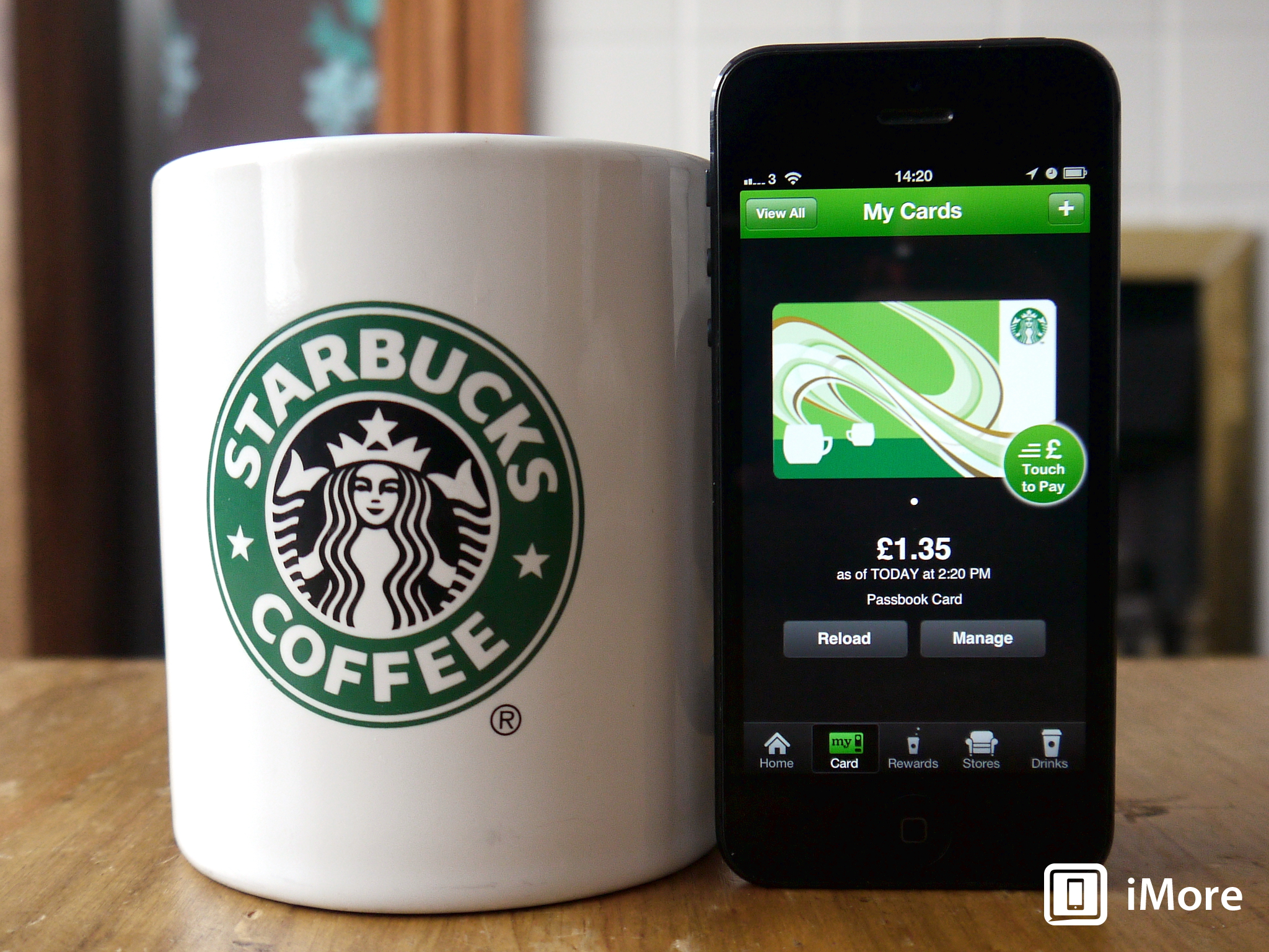
Apple-Pay-in-actionStarbucks has implemented a mobile payment system with Apple Pay. The iPhone’s digital wallet is already an option in restaurants like Panera Bread, and other restaurants with OpenTable. While Apple Pay will be available to all Starbucks locations already, Starbucks already has other mobile payment systems. Starbucks believes mobile payment systems will be a rising trend, and be the future of their sales. Already, 20 percent of in-store sales are made by mobile devices. Tim Cook proclaimed 2015 will be the year of Apple Pay. Starbucks already integrated a version of Apple pay that lets customers refill their “Starbucks Card” through the mobile application.

Apple pay will be further expanding its services to not only Starbucks but also is coming to KFC and Chili’s in the next year.

To read more, click here.

JetBlue Airways builds Farm at JFK International Airport

e190JetBlue Airways is building a farm at John F. Kennedy International Airport as a result of a multi-year effort between GrowNYC, a non-profit environmental group. The efforts to build a 24,000 square foot farm outside Terminal 5 is primarily intended to create a more organic landscape and to be used as an educational tool to teach people about farming. JetBlue hopes to invite local students and airline customers to learn about agricultural growth. Moreover, for their food menu to be more transparent for customers.

Restaurants within JetBlue’s terminals will have access to use herbs and produce harvested from the new farm. JetBlue is, also, planning to produce their signature blue Terra Chips from the Adirondack blue potatoes grown at JFK.

The farm will grow chives, basil, carrots, mints, arugala and potatoes. Because of safety issues, produce that attract birds and animals will not be harvested- grains, seeds, berries and tomatoes. The farm is expected to yield over 1,000 pounds of potatoes every four to six months.

The new development for JetBlue creates bigger impact on global awareness in the agricultural, organic industry and potentially builds better brand equity.

To read more, click here.

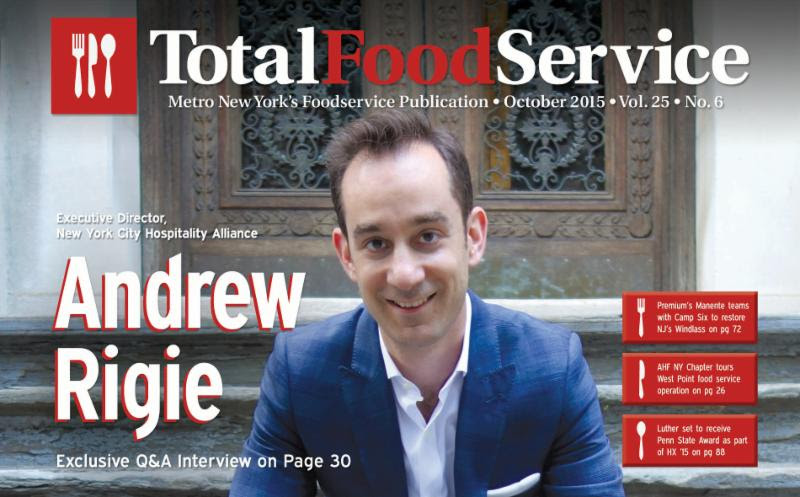
Q & A with Andrew Rigie, Hospitality Alliance

unnamedExecutive Director of Hospitality Alliance, Andrew Rigie, explains his insights into the hospitality industry in new York City from the creation of The Alliance to the front line of regulatory reform.

What led to the creation of the Hospitality Alliance?

The vast size and scope of the New York City hospitality industry is larger than many states with more than 24,000 eating and drinking establishments. In essence, the hospitality sector is a vital source of economic growth and social landscape for NYC. The creation of the Hospitality Alliance is necessary as it is an independent organization represents the industry’s interests to government and the media.

In just three years, since the launch of the Alliance, this marketplace has really changed. How have the needs of this group changed?

The hospitality industry is always changing, but business owners still face old and some new problems. Over the past three years, the need for education on labor law compliance, food safety, and how technology and real estate are affecting the industry is prominent. Hospitality Alliance hosts seminars and conferences to provide information business owners need to know and create forums to facilitate current trends and issues. Different perspectives can be introduced and elevates the industry through these events.

Rigie continues to discuss his perspective on the current trends and issues of the industry

How is the Hospitality Alliance dealing with the October 1 EMV chip technology regulation?

The biggest concern for many businesses is that they are not familiar with EMV and the new liability regulations. Many small business-owners are now liable. Members are recommended to comply and speak with their POS and merchant providers, and lawyers to better understand options regarding this new regulation

How do you assess the future and the growth of the restaurant industry?

The restaurant industry has now become a driving force for many other industries and for consumers. While food and beverage was always labeled as an amenities in hotels and office buildings, both tourists, and locals are now demanding and searching for better food accommodations. The hospitality industry is evolving and is becoming a positive effect on both economic and social development.

To read more on this Q&A, click here.