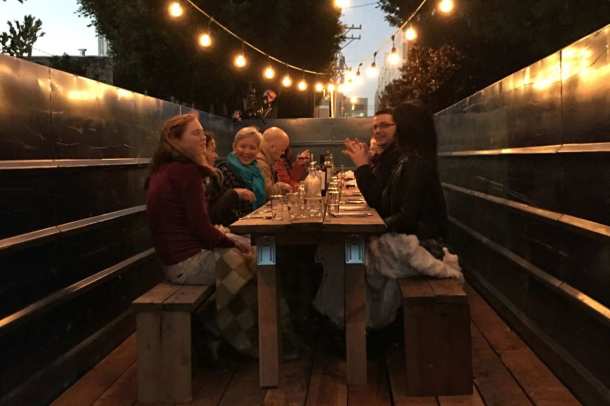
 Salvage Supperclub is the latest outcome of an increased public awareness about food waste: a traveling pop-up dinner made entirely from wasted food and served (appropriately) in a converted dumpster. The chef behind the club, Pesha Perlsweig, believes that they can change diners’ outlooks with each meal. “It makes me happy to hear that a former guest made carrot top pesto or was inspired by a dish of mine,” she says.
Salvage Supperclub has already hosted dinners in Berkeley, San Francisco and their native New York. And while the list of ingredients at one dinner (including bruised plums, vegetable pulp, garbanzo bean water, sweet potato skins and overripe, peel-on bananas) might force some guests to stifle a gag, the NPR reviewer present described almost everything as “finger-licking good.”
To read more, click here.
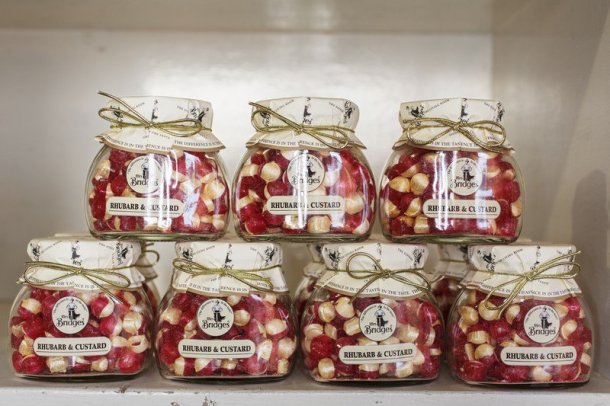 This weekend’s news was understandably dominated by Brexit, and the far-reaching implications of the vote. One unexpected result of Britain’s decision to leave the European Union falls on the English specialty food market, which has so far benefited from the EU’s Protected Designation of Origin status on many of it’s products.
 At first glance, it might seem like an affordable furniture company has very little to do with the farm-to-table movement. But where others might see apples and oranges (or apples and bookshelves, as the case may be), Ikea sees opportunity.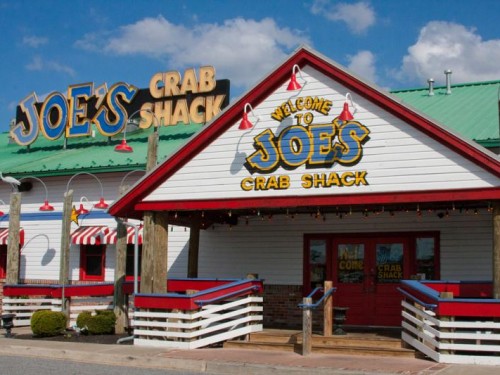
 According to Todd Carmichael, founder of coffee chain and industry leader
  On Monday, Uber announced that it would be canceling Instant Delivery – the lunch-only, 10-minute curbside delivery feature in New York . The tricky logistics of the service had largely been offloaded to featured restaurants, who estimated how many of a given meal would sell each day and sent the prepackaged lunches to Uber’s midtown office to be picked up and driven or biked around the city. Even so, the delivery company admitted they may have overreached a bit, and have cancelled the service to focus on the core of the UberEats business.
 It’s getting a lot harder than it used to be to walk down a grocery store aisle and tell what will give you a buzz – at least at first glance. For starters, there’s the growing proliferation of alcoholic versions of sodas from childhood, like Not Your Father’s Root Beer, or Crabbie’s Ginger Beer. But the trend also moves the other direction, as more and more foods and beverages without alcohol draw on the flavor profiles of beer, liquor and cocktails.
 In today’s interconnected world, there are more and more ways to decide what’s for dinner (or lunch, or breakfast, or brunch, or a midnight snack, or…you get the idea). There are brick-and-mortar bookstores riddled with cookbooks from seemingly every popular restaurant or bakery, not to mention every food network star and popular blogger. It’s also easier than ever to Google a dish and find countless recipes for it, each with a rating, time estimate, detailed instructions and lengthy comments section. Or you can subscribe to one of the many meal kit companies like Blue Apron, and have the ingredients delivered to your door along with the recipe.
 paigepapers.com