/cdn.vox-cdn.com/uploads/chorus_image/image/62326264/Ford___Walmart_1.0.jpg)
“Ford is joining forces with Walmart and Postmates to create a grocery delivery service using self-driving vehicles in Miami, the companies announced Wednesday.
Ford has been using Miami as a test bed for its self-driving vehicles since earlier this year. And more recently, the auto giant joined with Postmates to see how people ordering takeout food would interact with an autonomous delivery van.
Now Ford is moving to the next stage: grocery delivery. The company says it will experiment with different vehicle types, as well as modifications to those vehicles needed to keep perishable food items fresh. It will also experiment with a variety of scenarios, such as multiple deliveries on one trip and the user experience of retrieving delivery items from a fully driverless vehicle.”
See more here.
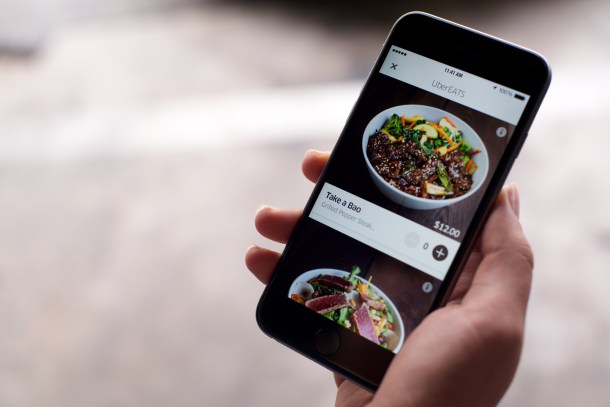
 On Monday, Uber announced that it would be canceling Instant Delivery – the lunch-only, 10-minute curbside delivery feature in New York . The tricky logistics of the service had largely been offloaded to featured restaurants, who estimated how many of a given meal would sell each day and sent the prepackaged lunches to Uber’s midtown office to be picked up and driven or biked around the city. Even so, the delivery company admitted they may have overreached a bit, and have cancelled the service to focus on the core of the UberEats business.
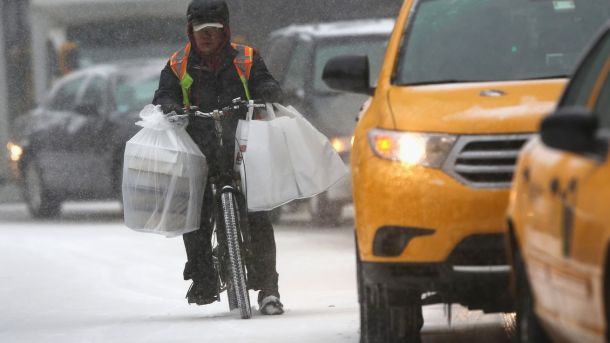 Since 2014, Seamless has been quietly testing its “turnkey delivery service” – drivers and bikers whom restaurants without their own in-house delivery team can use to deliver food through the app. We say “quietly” because it’s impossible to tell through the Grubhub/Seamless interface which restaurants are using these delivery people, and which are using their own, and the company has declined to say just how many restaurants are using the service.
 The food delivery market is a crowded one, with new competitors emerging every day. Grubhub, which owns Seamless, may control a large portion of that market, but all that competition took a toll last year. In 2015, the company’s growth slowed significantly and their stock value followed suit. In response, Grubhub declared that they would move from handling logistics only to actually delivering the food.
 It is now nearly impossible to ignore meal-kit companies like Blue Apron and Hello Fresh, which continue to plaster subway cars with advertisements and encourage huge investments to start-up competitors. The latest is Hungryroot, a meal-kit delivery company that wants to fill several niches at once: healthy, vegetarian, and quick.
 This weekend a (now former) Yelp employee, Talia Jane, wrote an open letter to her employers revealing the financial struggles brought on by her low paycheck, and criticizing the irony of the company spending millions on a food delivery app while employees “can’t afford to buy food.” The post was widely shared, and Jane was subsequently let go – a move which, predictably, Yelp Human Resources claims was not caused by the letter but which Jane herself says was a direct result.
 paigepapers.com