The fast-casual salad chain Sweetgreen had a big year this year, opening 3 new stores in New York alone, moving their headquarters to California, and being dubbed “the next Chipotle” by CNN and others. One could argue that their success is built on many things – timing, a growing demand for healthy, sustainably sourced foods, their youthful aesthetic (one of their limited edition salads last year was named in honor of a Kendrick Lamar song) – but it would be a mistake to underestimate the role mobile has had in that success. So far, 21% of Sweetgreen’s sales come through their custom app, and they expect that number to jump as high as 50% this year.
The appeal of mobile ordering is understandable: with lunchtime lines out the door, the Sweetgreen app allows guests to order from the office and pick up immediately, and once downloaded, a rewards system makes it more likely for them to keep visiting. Additional features like the ability to flag dietary restrictions, add favorites, and integrate with the iOS health app, add an additional layer of appeal.
Of course, for many small chains it simply isn’t feasible to build out this kind of ordering system. Sweetgreen has had the benefit of $95 million in total investments in recent years, and they’ve clearly dedicated a fair amount of that to building their mobile presence. But they do serve as a reminder of the kind of return such an investment can have.
To read more, click here.
 On January 23rd, you can fight the winter doldrums with the best donuts and coffee from all over New York at the 2016 Donut Fest at
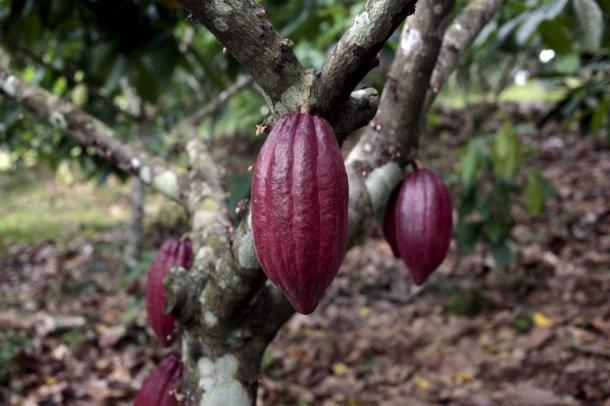
 Controversy over $10 remelted chocolate bars aside, the real price of chocolate increased by leaps and bounds in 2015, due in part to El Niño-related droughts, ebola outbreaks in exporting countries, and other supply chain issues. Some chocolate companies weathered the increase by upping prices or using less chocolate in their products, but industry leaders think this is only a stop-gap measure. With ever-growing demand for chocolate in China and India, there’s simply no price increase now that could prevent a shortage in the near future. As the chief sustainability officer at Mars explains, there are “still one to two billion consumers around the world that don’t eat chocolate today, and we think they will.”
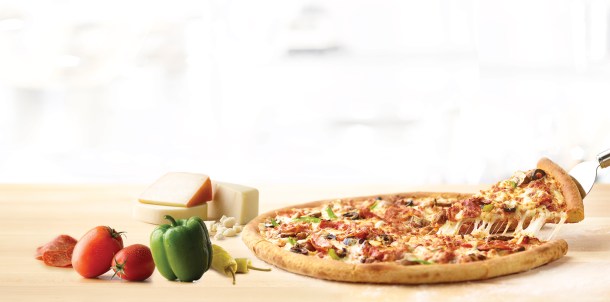 Papa John’s, whose motto of “Better Ingredients, Better Pizza” you likely know even if you’ve never touched a slice, is making moves to uphold that promise by removing a host of artificial ingredients from its pizzas. “We closed out 2015 announcing our commitment to serve chicken raised without antibiotics and are ringing in the New Year artificial-flavor and synthetic-color free,” said Sean Muldoon, Papa John’s Senior Vice President of Research and Development. This might lead one to wonder what made the ingredients “better” before the change, but to its credit Papa John’s is the first national pizza chain to make a move like this.
 paigepapers.com