Dietary patterns of 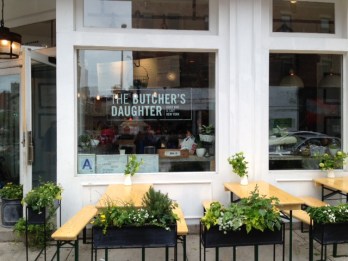 people in these past few years have changed drastically where more are searching for fresh vegetables and fruits rather than tender meats. “The Butcher’s Daughter” a trendy juice bar, and cafe is gaining a lot of spotlight on being a leader in this revolution towards greens. The Butcher’s Daughter, located on the corner of Elizabeth st. and Kenmare St., takes pride in being “the vegetable slaughter house: treat vegetables and fruits as a butcher would to meat.” Their menu is 100% vegetarian and non-dairy and is mostly vegan and gluten-free. The menu changes daily and incorporates seasonal ingredients. The crowd favorite at The Butcher’s Daughter is the avocado toast with mustard seeds but their array of sandwiches and salads still attract a large pool of consumers. The cafe also caters towards juicers with their long list of drinks- juices, smoothies, and exilir shots. While the cafe stands at 900 sq ft. with an open kitchen, a 35-seat capability indoors and 30-seat outdoors, there are enough employees to offer great service despite the cafe being busy.
The Butcher’s Daughter’s unique theme as a “butchery” continues throughout not only their menu but in the design of the cafe. While its common for restaurants to brand their name and logos across their merchandise and store to build brand recognition, The Butcher’s Daughter successfully markets their brand without overly stamping their name. Instead they reinforce their theme of being a butcher for vegetables with industrial decor, concrete floors, and meat hooks against earthy materials like wood, brick and greenery. Their sandwiches are served on wooden cutting board while their drinks are served in mason jars. The employees can be seen wearing The Butcher’s Daughter t-shirts that have different quirky messages e.g. “We Sell Designer Kale” at the front and their logo on the back of the shirt. These shirts are also available for customers after writing a review on yelp, which ultimately drives social media and brand marketing through customers and with customer satisfaction through incentives. The Butcher’s daughter continues their earthy charms with details in their light fixtures, menu boards, receipt cups, and their table setting.
The Butcher’s Daughter successfully creates a thematic cafe that revolves around their menu and that blends with its neighborhood location. The Butcher’s Daughter sits at the south east side of NoLIta. NoLIta was once part of Little Italy but since 1990s an influx of expensive retail boutiques and trendy restaurants and bars have outsourced the Italian residences. Residents in the NoLIta area are demographically younger and popular in the arts. Trendy competitors around The Butcher’s Daughter in NoLIta include Sweetgreen, and Juice Press. These attractive restaurants in NoLIta follow a common trend vegetable and fruit based products. While The Butcher’s Daughter caters towards the same market they have become a strong competitor in NoLIta because of their delivery in creating a distinct theme across their menu, service and design.
 paigepapers.com