
“New York’s inspectors have long been capable of showing up unannounced, recording violations and, if necessary, shutting down a kitchen. But in 2010, they acquired a new dimension of power: the ability to assign letter grades (printed on placards that must be visible from the street) and to post their findings in an online database where anyone can scrutinize a restaurant’s inspection history. Restaurateurs complained bitterly about the “scarlet letters,” and what they saw as punitive enforcement aimed at raising money for the city.
Eight years on, that furor has cooled. The number of restaurants with an A grade rose to 93 percent in April, from 81 percent in that first year. Yet many restaurateurs still feel aggrieved about the rating system; they talk of the health inspectors as arbitrary, unjust — and frightening enough to send an owner to the hospital with a panic attack.
As it turns out, the man in beige who precipitated that crisis is a pleasant, even-keeled individual named Fayick Suleman, who lives in the Bronx with his wife and two children, and — like the letter-grading system — is celebrating his eighth anniversary at the Department of Health and Mental Hygiene.”
To read more click here.
:no_upscale()/cdn.vox-cdn.com/uploads/chorus_image/image/59379101/17457251_1433187460077985_7953813422974924918_n.0.0.0.0.jpg)
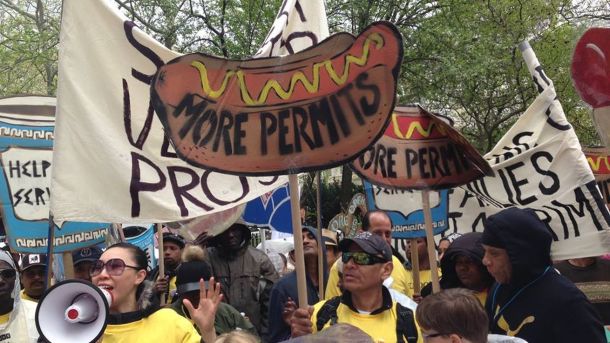 There are few things more closely associated with New York City than the smell of roasted peanuts and the ubiquitous carts selling shwarma, hot dogs, or decidedly-not-cold-brew iced coffee. There are around 20,000 street vendors in NYC, but the city only hands out 5,000 permits a year for a cost of $300 each – meaning many sellers are operating illegally or renting permits at much higher rates. On Tuesday, hundreds of vendors gathered at city hall to protest the cap on permits, originally issued in the 80’s in an effort to clean up the city streets. According to the protestors, that cap is no longer necessary, and puts a huge hurdle in the way of those who just want to legally work.
 On Monday, Uber announced that it would be canceling Instant Delivery – the lunch-only, 10-minute curbside delivery feature in New York . The tricky logistics of the service had largely been offloaded to featured restaurants, who estimated how many of a given meal would sell each day and sent the prepackaged lunches to Uber’s midtown office to be picked up and driven or biked around the city. Even so, the delivery company admitted they may have overreached a bit, and have cancelled the service to focus on the core of the UberEats business.
 paigepapers.com