Retail Spotlight – The Chocolate Room

Chocolate-Room.jpg

Reservations at the most romantic restaurants in the city fill up quickly in the weeks before Valentine’s day, but it’s important to remember that this holiday – thankfully placed in the middle of the coldest months, when we all need a little celebration – can really be celebrated with loved ones of all sorts. At The Chocolate Room in Brooklyn they know this well, and it’s equally possible to share the joy of a spicy hot cocoa with your sweetheart as it is a banana split with your 3-year-old niece or a chocolate stout with your best friend. In fact, you can do so any time of year and be greeted with the same recipe of warmth and decadence – although they’re particularly busy these first weeks of February.

Walking inside, guests often remark on the smell of chocolate coming from open kitchen – the first invitation to stay awhile and try as much as possible. This is matched with an equally chocolatey color scheme of dark brown and red. After the smell, the first thing most guests notice is the chocolate case – brightly lit and well stocked with confections. In the weeks before Valentine’s day, there is a staff member available just to help guests assemble custom chocolate boxes from their favorite truffles inside.

The retail side of operations might be front and center, but The Chocolate Room also wants to keep you out of the cold; they take no reservations but provide table service during both the day and evening. Each shop has bar seating where you can watch desserts being assembled, as well as small tables that are sometimes pushed together for children’s birthday parties, and other times pulled apart and candle-lit for intimate evenings. There are no savory items on the menu, but there is something for every sweet tooth – from overflowing brownie sundaes to elegant flourless chocolate cake. Each menu item also has a suggested wine or beer pairing on the menu, like dark chocolate stout from Brooklyn Brewery or a Graham’s tawny port.

The wine pairings and low evening lighting make one thing clear: this is a romantic spot, the perfect place to take your date post-dinner when you’re not ready for the night to end, but you don’t feel like heading to a noisy bar. But just like its namesake, The Chocolate Room strives to be universal, and very kid-friendly. There is no hard alcohol served, but there are plenty of child favorites and kid-sized scoops of homemade ice cream. Appealing to both families and couples is no easy task – but it does explain how The Chocolate Room keeps the hot cocoa flowing at all hours during these cold winter months.
Take Aways… It can be difficult to bridge the gap between daytime family fare and nighttime romance, but doing so means you can put a smile on twice as many guests faces. The Chocolate Room begins with a concept that appeals to everyone, and then carries it out with a range of menu options and a warm, relaxed atmosphere.
The Chocolate Room has two locations: 269 Court St, Brooklyn, NY 11231 and 51 5th Ave, Brooklyn, NY 11217.


Retail Spotlight – Blank Slate Coffee + Kitchen

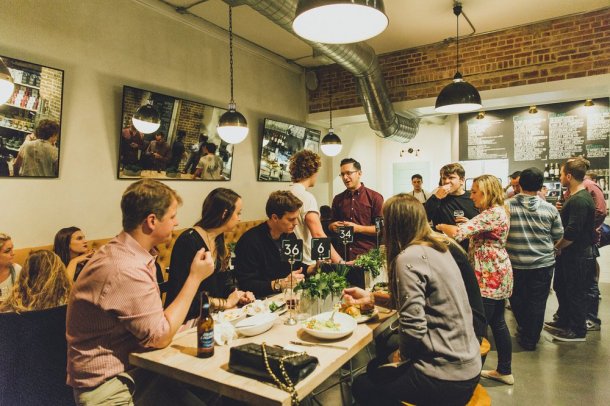
o.jpgTheir Success… In a city with sky-high rents and rising expenses, it can be hard to make ends meet on coffee alone. Blank Slate has increased its sales by bridging the gap between coffee shop and restaurant, creating a hybrid best described as a “Café-table” that is the best of both worlds. This concept works on an old premise that is becoming increasingly popular as labor and operational costs increase. In it, guests order from a single point of sale, then take a number to indicate their table as they seat themselves. When the food is ready, a runner brings it out, clears dishes, and attends to guests.
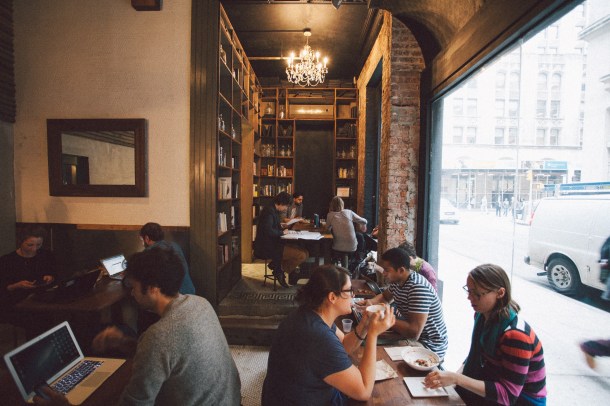
Walking into Blank Slate, guests are greeted with high ceilings and a bright, modern space. During the busiest lunch hour, this space can fill up quickly; tables are laid out to maximize seating with longer shared table spce in the middle and a banquette along the wall. The espresso machine is front and center behind the counter, promising all the caffeine fixes you would expect from a coffee shop, but the large menu on the wall behind makes it clear that Blank Slate wants to keep you fed as well as energized. This menu, which is impossible to miss as you walk up to order,  focuses entirely on prepared food; beverages are listed on a smaller side menu, and there are none of the pastries or baked goods that are usually on display in a coffee shop. Guests who come in in the morning may not be able to get a quick muffin with their coffee, but they can get sweet toast with whipped ricotta and candied bacon, or an egg sandwich with truffled goat cheese.

The breakfast menu is available late on weekends to appeal to midtown brunch-ers, but in the afternoon the selection switches over to salads, sandwiches, and small plates. These offerings are all thoughtfully curated and described on the menu – there are basics (like a rustic chicken sandwich or a Mediterranean salad), but they often have small twists to add a layer of appeal (the caesar salad is made with brussel sprouts, and the meatball sub is made with lamb, mint, and pecorino). The desserts are also in line with what you would expect from a sit down restaurant, including molten chocolate cake with vanilla gelato, and you can pair any of the food with wine or beer offered on tap.

While the menu itself would be at home in an upscale sit-down restaurant, the front of house operations are much more streamlined. Guests order from the register in a single line from which they can get coffee to go or a table number to seat themselves and wait for food. From there, staff members bring orders, fill water, and bus dishes – but ordering and payment is all taken care of.

Take Aways…Blank Slate fills all the needs of a neighborhood coffee shop in a neighborhood that needs plenty of coffee shops, but a finely tuned menu of savory foods (and a streamlined system for serving them) helps Blank Slate do double-duty as a lunch, brunch, and early dinner spot as well. This combo is the heart of the Café-table concept: fill two needs at once, and your morning regulars may just become your most satisfied lunch guests as well.


Retail Spotlight: Birch Coffee

Birch-Coffee-4.jpgTheir Success…With five locations around Manhattan and a roastery in Long Island City, Birch Coffee has become synonymous with quality coffee and a knowledgeable staff, all while maintaining an unfussy and approachable vibe in their presentation. Walking into any of their shops, it’s easy to see that owners Paul Schlader and Jeremy Lyman prioritize service and community for all guests, which is not always easy when the line extends out the door. A small chalkboard sign by the register happily declares “Birch Loves You.” Conversation cards are available on the front counter to help break the ice between strangers looking to chat, and each shop has its own lending library, encouraging visitors to stay and relax with a book. Plenty of guests also bring laptops to work, and all Birch locations are open until 8PM, so it’s easy to stop by after a 9-to-5 job (or 9-to-6 or -7) without feeling rushed. Birch truly embodies the friendly public-private space that many urban residents look for in their local coffee shops.

From the menus to the interior design, Birch shops directly reflect Schlader and Lyman’s personalities and attention to detail. Besides the usual espresso and pastry options, craft beer and wine are also available for those who are attracted to that community-oriented atmosphere but don’t need the caffeine kick. In the sweltering Manhattan summer time, cold brew is a huge seller – and fortunately for any guests who don’t want to leave the comfort of air conditioning, Birch delivers 64 ounce growlers for environmentally-friendly refreshment that’s big enough to go around. Schlader and Lyman also made fair trade, single-origin coffee fundamental to their brand before it was de rigeur, and they seem more than happy to share the joys of a superior brew; guests can sign up for by-appointment lessons in home-brewing, barista skills, and coffee appreciation.

The setting for these offerings are spaces that are tend toward the industrial, with unfinished tile work, mismatched furniture, and plenty of wood details. The aesthetic is rugged and hip, and it sets Birch apart from many coffee shops where meticulous interior design is the main attraction. Here, the coffee and the people are front and center. One exception is the iconic Birch logo and font, which unify all their shops and are available on assorted “Birchandise” through their store.

Take Aways…Birch has grown steadily since their opening by maintaining a great reputation for quality and a warm, welcoming aesthetic.  By roasting their own coffee, Birch maintains a connection to the entire supply chain, which helps them guarantee the best product for all their guests. Of course, many coffee shops provide great coffee, but what sets Birch apart is their down-to-earth presentation and welcoming details. In a busy New York day, getting good coffee quickly is expected, but being able to really enjoy it is their recipe for success.


Retail Spotlight: The Little Beet

THE-LITTLE-BEET-01.jpgTheir Success…Trends usually only last a limited time, until a new trend surfaces. While juiceries were once a major trend around the world, slowly a decrease in performance sales are hitting the market, with numerous juicing locations closing. The Little Beet, however, bets that healthy organic eating will be a long-lasting trend for New Yorkers. The organic market is still growing, and organic eating has become more of a lifestyle then just a trend for New Yorkers. The Little Beet recognizes this new lifestyle choice that New Yorkers are developing and successfully aligns its concept to it. From their menu to their interior design, the brand embodies their organic ideals “Fast, Farm, Fresh.”
All of the ingredients on their menu are sourced from farmers and local purveyors. The Little Beet’s menu items are all 100% gluten-free, and promotes that customers will feel “guiltin’ free,” and have wholesome food after eating their products. Customers can “create their own plate” and order their choice of proteins, sides, or salads. To the customer’s content, they can choose to have a serving of protein and up to 3 sides, just sides, salad and protein, soup and sides, or beet roll and sides. The sides range from roasted sweet potatoes to quinoa, and there are a variety of proteins to choose-from chicken to salmon.

Not only is their menu “wholesome and organic,” but their interior design accentuates organic ideals. The store’s color-scheme is brown, green, deep red, and other complementary “natural” tones. Large stalks of plants are aligned against the seating area of the ground floor, next to the entrance. The chairs, lighting fixtures, and stools are all in a “deep red” color. While the tables, walls, and ceiling on the ground floor are wood. The yellow lighting creates a softer atmosphere, and keeps the store being “hipster” and doesn’t give off industrial, or chain-like vibes.

Take Aways…The Little Beet attracts many customers because of their transparency, their atmosphere, and their theme. The menu items are all gluten-free, which opens their target market to include customers who cannot consume gluten, and consumers who align with healthy eating. However, more than just using organic ingredients, the transparency in preparing each meal is what potentially attracts consumers to eat at The Little Beet. After ordering your plate, consumers wait as they watch employees cooking the proteins, the sides or tossing salads. The display and dish that employees place each individual side creates an idea that consumers are eating “home-cooked meals.” The clear casing between the consumers and the food allows consumers to watch the process of their food. Moreover, while waiting for their choice of plate, consumers are easily seen making additional orders of sides after seeing, smelling the other choices of food. There is another cash register at the end of the line, where consumers are encouraged to make additional order of food, cold-press, and coffee. The placement of two cash registers before and after the display case potentially creates more orders.

The Little Beets’ overall ambiance, and its theme attract a variety of customers, leaning specifically toward women. There is a distinct difference in ratio of women and men in the restaurant. Women are more easily seen enjoying their plate, with friends and then sipping on coffee, after, while talking to their girlfriends. The portion size, the menu items, and the soft casual vibes of the restaurant are the primary factors that potentially attract female consumers more than male.

Sadelle’s: Upscale Bagel Enterprise

sadelles_menu.0.0Their Success…Bagels are historically more of a commodity than a specialty, and the proliferation of corner stores have flooded New York streets with mediocre crust and cream cheese.  However, Sadelle’s has taken the common and made it special; by focusing intensely on the entire experience and artisanal production methods, the Major Food Group team has made this staple memorable again.

Quoted as one of the most anticipated restaurants to open Fall 2015, Sadelle’s has made a grand opening. Located in the heart of SoHo, the bakery and restaurant specializes in one of New York City’s classic foods-bagels. Famous baker and co-owner Melissa Weller runs Sadelle’s bagel and bakery program. Hand rolled bagels, pastries and breads are made fresh on-site throughout the day in a glass-enclosed setting at the center of the restaurant. Sadelle’s offers both breakfast, lunch, dinner and quick and easy to-go service.

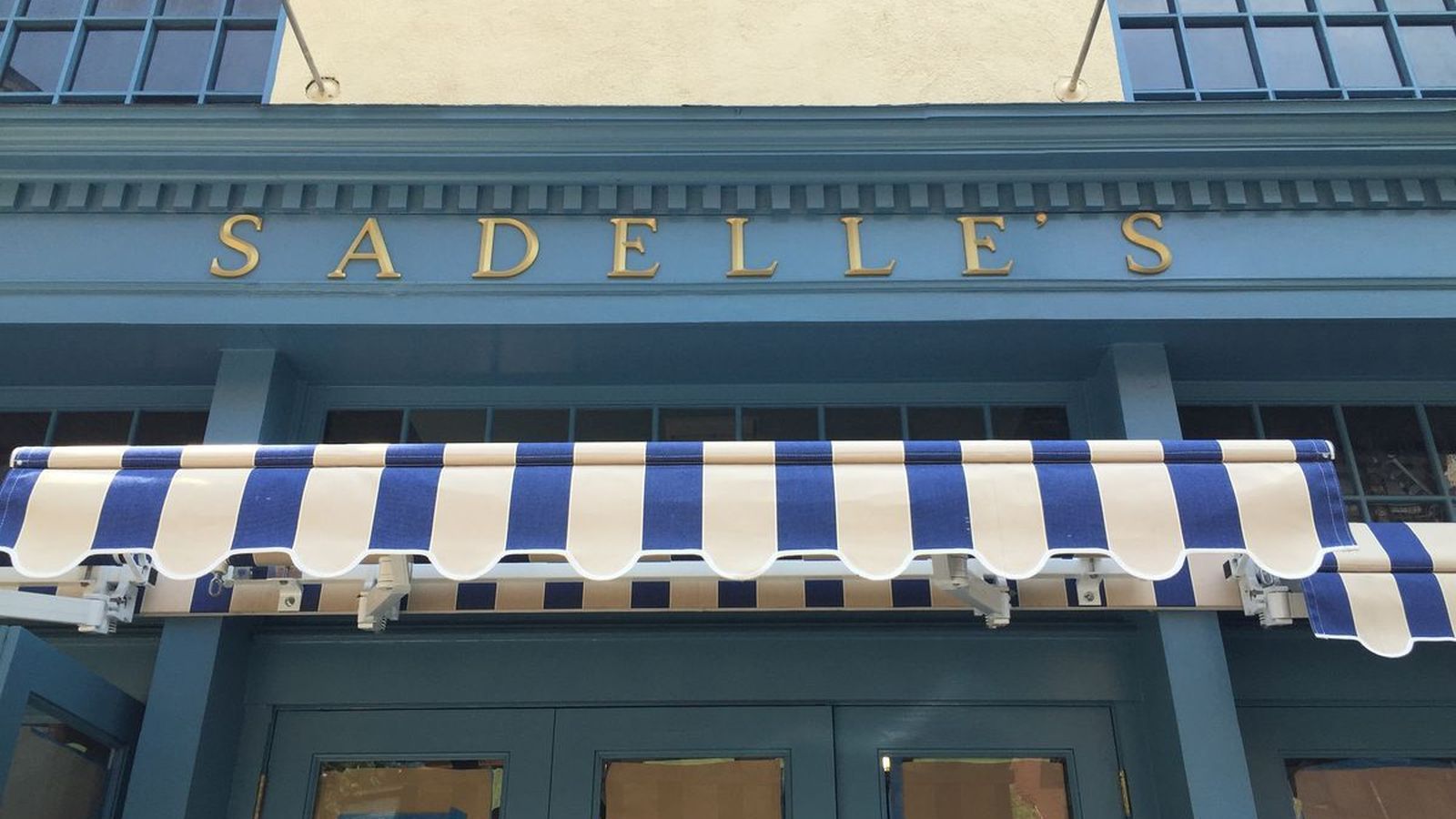
Sadelle’s carries an old-west with a modern city theme throughout their restaurant. The exterior of the restaurant illuminates in a pastel blue with gold letters “Sadelle’s” at the center. The restaurant is laid out with wooden flooring that corresponds with the color theme of the brick walls all across the restaurant. The chandeliers have a vintage edge, while the center kitchen, and take-away area is clean with a glassed enclosure. Similar wooden props are used both as decorative and functional items. A wooden bagel holder is both appealing as decoration but also is a bagel slot.

The front right section of the restaurant is set for customers ordering bagels, or pastries to-go. The pastries, and bagels are displayed in a glassed casing, while chefs are seen slicing fish. This extra service similar to City Bakery, where customers can have options for either sit-down or take-away attracts more customers in the early mornings, and during lunch hours. However, because the area where take-aways can be ordered is in close approximate distance with where the hostess is, and where those waiting for a table are, there is a dysfunctional aspect to the order of service. The fluidity of the direction of the lines isn’t strict, and can potentially intimidate more customers walking in.

Take Aways…The key word for services in the restaurant industry, today, is transparency. With shifts in consumer preferences and eating habits, many restaurants are forced to form towards healthy and transparent menu options. Sadelle’s successfully appeals to the modern consumer, where consumers can watch fresh lox being sliced by chefs for their bagels, and bakers baking fresh bagels at the center of the restaurant. This open kitchen appeals to customers and attracts customers to guarantee “fresh foods.”

Padoca: Creative Bakery on the Upper East Side

Padoca BakeryTheir Success…“Padoca” is the Brazilian term of endearment for local bakeries.  Usually, these bakeries are fixtures of the community and run by familiar, friendly faces that know everyone in town.  Marina Halpern, who hails from Sao Paolo, owns New York’s Padoca Bakery, which opened at the end of June. The kitchen is in the hands of Rachel Binder, previously the pastry chef of Maialino, and from Israel originally.  TaraPaige Group worked with Marina and Rachel on conceptualizing, defining, and developing the business, and we couldn’t be more proud of what the duo is doing:

Pao de queijo—authentic Brazilian cheese bread puffs—are sold alongside sabich sandwiches—an UES favorite.  No cronuts here, but the bolo de coco is far superior—a traditional Brazilian cake with a hint of lemon and light and moist with coconut milk.  The drip and espresso are provided by Nobletree Coffee, which owns farms in Brazil and roasts in Red Hook, Brooklyn.  The made-in-house juices include pineapple-mint and an emerald bottle of kale, apple, and spinach, among others. It’s all good—seriously, all of it. The chicken empadinhas—think snack-size pot pie—haunts us. And with the cold weather coming around the corner, the bakery is starting to launch their soups. Thank goodness; having tasted those during recipe testing, we advise that you try them as soon as possible! The team has done a terrific job of balancing sweet and savory fare to provide something for everyone.

The space was previously a Wok n Roll Chinese restaurant, but you wouldn’t know it!  The bakery is now an inviting, comfortable setting with playful touches, much like the food. A beautiful set of windows overlook St. Catherine’s Park, and the walls and ceiling are clad with reclaimed wood. It’s hard not to feel at home in the space. The swing seat lights up children with excitement, and teapot pendant lamps add an accent of whimsy.  Whether just stopping in or looking to sip coffee with a friend, you’re going to be taken care of.

Take AwaysThe bakery-cafe segment in New York City is tough!  Between deli’s, bodegas, patisseries, and third-wave coffee shops, it takes more than muffins and iced coffee to survive.  That’s why it’s key to differentiate your brand by bringing something new to guests.  And that’s what Padoca Bakery has done.  Marina and Rachel have creatively integrated Brazilian, Israel, and American influences into a sweet, petite place at home on the UES with delicious treats and lunch fare priced affordably in a wonderful atmosphere.  We’re can’t wait to see Padoca grow into the community fixture it’s destined to be, and the type of place the Upper East Side so dearly needs.

Padoca Bakery: 359 E 68th St, New York, NY 10065 http://www.padocabakery.com

Retail Spotlight: La Newyorkina

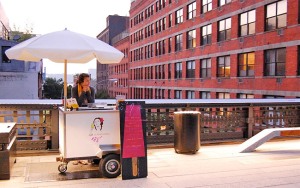
la-newyorkina_650_20130521Their Success…While temperature and humidity levels are at its extremes in New York City, New Yorkers and tourists alike are taking their spare time along the highline. The highline boasts as an iconic glimpse into the past and present of New York City where people can indulge in both nature and the city’s skylines on a historic walkway. A common thread for people walking the highline is that people are looking for ways to escape the summer heat. It is almost inevitable for people to not seek a fresh, cold relief. La Newyorkina utilizes this demand and conveniently stands on 30th St. and 17th St. attracting many consumers with their ice pop cart. La Newyorkina serves paletas, a traditional Mexican ice pop, in an array of flavors that change seasonally. They have both regular sized paletas, at $4, and mini sized paletas, at $1. The mini sized paletas is a popular choice for children as the “regular sized” paletas are deemed to run a lot bigger than an average ice pop.

Their clean crisp white cart exacerbates the fresh and clean vibes of the product, which identifies with consumer demands after a long, hot sweaty walk on the highline. Moreover, La Newyorkina doesn’t hesitate to brand their cart and their menu board with their logo and their Mexican themed ice pop. While other vendors do exist, these vendors have aligned themselves next to each other, making consumer options broader, which potentially draw customers away. However, La Newyorkina distinguishes themselves and locates themselves in a similar area, where traffic is heavy, but still distancing themselves to be noticed. La Newyorkina is a stand-alone cart with no seats like other vendors offer so most consumers buy a paleta and continue their walk on the highline. This creates more opportunity for more customers. As people walk down the highline those who already have a paleta in hand are already cooling down and indulging in their ice pop, which draws attention to those who are dehydrated and hot. These consumers are potentially persuaded to attain their own ice pop to help them survive the walk, and because La Newyorkina stands at both ends of the highline, the paletas will be easily accessible to new consumers.

Take Aways…La Newyorkina doesn’t fail to attract consumers and create traffic. La Newyorkina is on target with consumer demands during the summer months, and is on trend with consumer eating behavior. Many consumers are seeking for fresh and healthy foods, and La Newyorkina boasts their paletas to be fresh and local. Their ice pops are sourced from NY farmers and nearby organic dairy, fruits and herb vendors. Ingredients that cannot be acquired locally like tamarind, and other Mexican ingredients are imported in by small producers in Mexico. Moreover, Fany Gerson, Founder of La Newyorkina, hand-makes her products from scratch in small batches.

La Newyorkina offers a healthy satisfaction in an array of unique flavors- Hibiscus, Cucumber Lime, Fresh Coconut, Avocado, Tamarind, Horchata, Cajeta, and Mango-Chile. These unique flavors are, ultimately, a leading factor to their success as it attracts consumers through multiple platforms- social media, by-standers.

Retail Spotlight: Fuku NYC

163 1st Ave. New York, NY, 10003.

Their Success…This summer a rising trend fukuwebof Chicken sandwiches are evident. David Chang,
Founder of Momofuku Inc., is named a leader in this trend with his opening of Fuku NYC,home to an $8 spicy-fried-chicken sandwich. Since its opening on June 10th, Fuku has been on headlines and trending throughout social media because of its chicken sandwich. There is an obvious inspiration by Chick-fil-A which Chang grew up eating in suburban Virginia, and he also claims to be a fan of In-N-Out for its unique corporate culture as much as for its burger. Chang describes Fuku as “our attempt to sort of honor the great fried-chicken places and fast-food concepts out here, to do our version of that, and hopefully, to make it better.” With never-ending lines around the corner of the restaurant , one can say Chang has successfully started a fried-chicken culture and redefined “fast-food.”

Fuku NYC is located on 10th St. and 1st Ave. This location is also the original location of the Momofuku Noodle bar. After six months of intensive renovations and development, Fuku now boasts a very chic urban atmosphere. Utilizing their space to its full potential, an open kitchen, and bar side tables are available for those who are eating-in. Although no chairs or stool are available for consumers, customers are fully accommodated as a fast-casual restaurant.  After ordering, customers are given a number where then Fuku employees will bring their orders to customers whether it was to eat-in or take-away. Likewise, employees are constantly walking around the restaurant to take away trays.

Employees are also seen refilling their ketchup and ssam sauce bottles throughout the restaurant. The Ssam Sauce is Fuku’s’specialty’ sauce that adds more spice to the chicken burger. Ssam sauce is Fuku’s rendition of an already existing Korean chili sauce and is sold to customers separately. While most customers order a spicy chickenburger, Fuku does serve salads and fries. Fuku also offers a lunch special where customers can easily get a spicy chicken burger, fries and a drink for $12, potentially saving themselves $1 when buying them separately.

Take Aways…Fuku NYC does a great job with creating traffic and retaining customers. With Fuku only at 600 square feet and an open kitchen and bar, there is limited space for people to stand in line so customers are forced to wait on line outside. However, Fuku makes ordering very quick and easy. While one stationed register takes orders, another employee is seen walking down the lines to take orders through their iPads. This potentially retains customers on line by binding orders. Moreover, consumers feel well accommodated and less annoyed from waiting. Fuku only accepts credit cards which speeds up the ordering process.

Their chicken sandwich is simply a fried chicken, pickles and a buttered bun but consumers are attracted to Fuku’s Spicy Chicken Sandwich because of its large fried chicken at an affordable price of $8.

To read more about their grand opening, click here.

Retail Spotlight: The Butcher’s Daughter

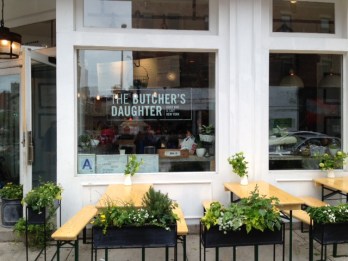
Dietary patterns of photo8people in these past few years have changed drastically where more are searching for fresh vegetables and fruits rather than tender meats. “The Butcher’s Daughter” a trendy juice bar, and cafe is gaining a lot of spotlight on being a leader in this revolution towards greens. The Butcher’s Daughter, located on the corner of Elizabeth st. and Kenmare St., takes pride in being “the vegetable slaughter house: treat vegetables and fruits as a butcher would to meat.” Their menu is 100% vegetarian and non-dairy and is mostly vegan and gluten-free. The menu changes daily and incorporates seasonal ingredients. The crowd favorite at The Butcher’s Daughter is the avocado toast with mustard seeds but their array of sandwiches and salads still attract a large pool of consumers. The cafe also caters towards juicers with their long list of drinks- juices, smoothies, and exilir shots. While the cafe stands at 900 sq ft. with an open kitchen, a 35-seat capability indoors and 30-seat outdoors, there are enough employees to offer great service despite the cafe being busy.
The Butcher’s Daughter’s unique theme as a “butchery” continues throughout not only their menu but in the design of the cafe. While its common for restaurants to brand their name and logos across their merchandise and store to build brand recognition, The Butcher’s Daughter successfully markets their brand without overly stamping their name. Instead they reinforce their theme of being a butcher for vegetables with industrial decor, concrete floors, and meat hooks against earthy materials like wood, brick and greenery. Their sandwiches are served on wooden cutting board while their drinks are served in mason jars. The employees can be seen wearing The Butcher’s Daughter t-shirts that have different quirky messages e.g. “We Sell Designer Kale” at the front and their logo on the back of the shirt. These shirts are also available for customers after writing a review on yelp, which ultimately drives social media and brand marketing through customers and with customer satisfaction through incentives. The Butcher’s daughter continues their earthy charms with details in their light fixtures, menu boards, receipt cups, and their table setting.

The Butcher’s Daughter successfully creates a thematic cafe that revolves around their menu and that blends with its neighborhood location. The Butcher’s Daughter sits at the south east side of NoLIta. NoLIta was once part of Little Italy but since 1990s an influx of expensive retail boutiques and trendy restaurants and bars have outsourced the Italian residences. Residents in the NoLIta area are demographically younger and popular in the arts. Trendy competitors around The Butcher’s Daughter in NoLIta include Sweetgreen, and Juice Press. These attractive restaurants in NoLIta follow a common trend vegetable and fruit based products. While The Butcher’s Daughter caters towards the same market they have become a strong competitor in NoLIta because of their delivery in creating a distinct theme across their menu, service and design.

Retail Spotlight: Brigadeiro Bakery

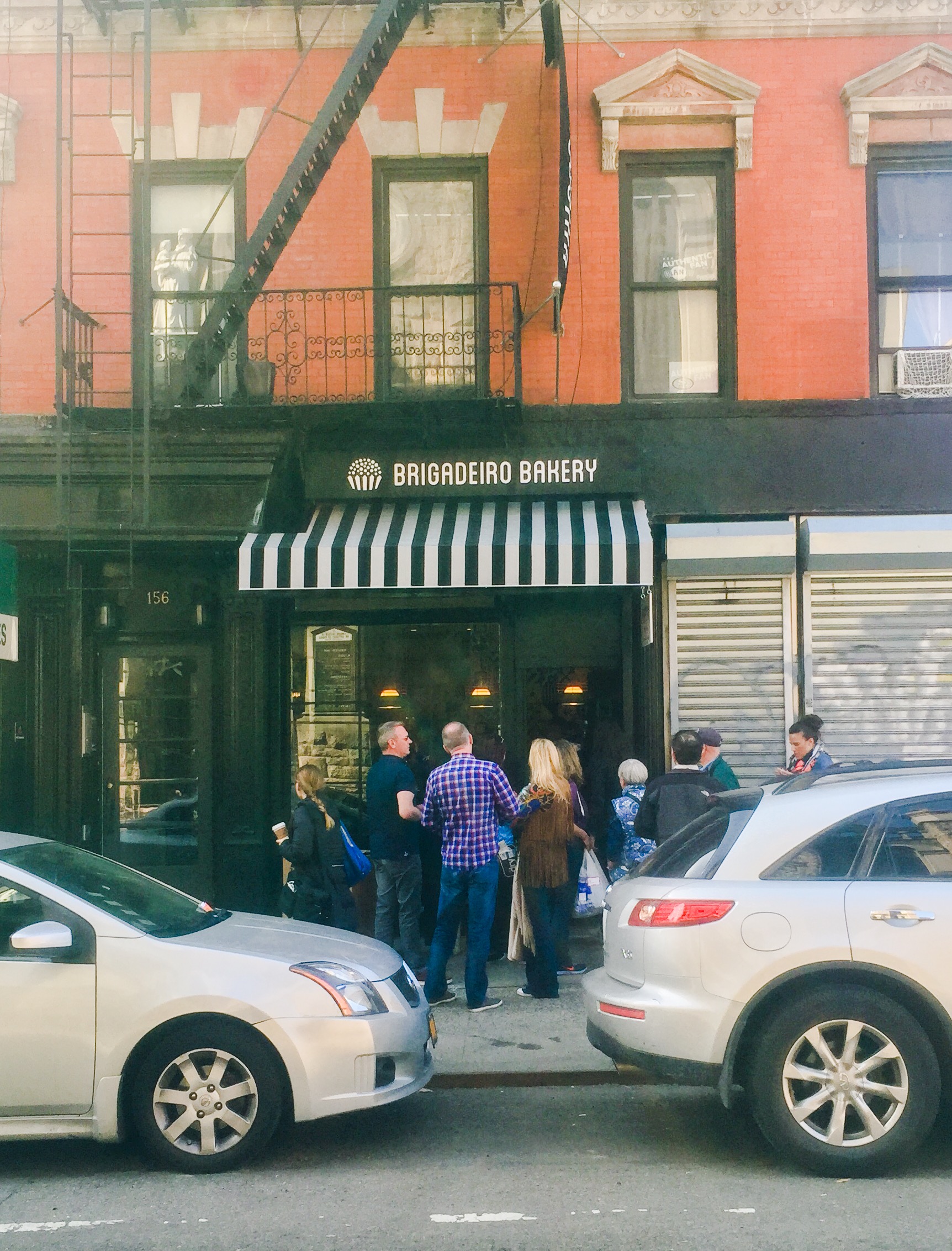
IMG_4908

Across the city, more and more foodservice shops are opening to serve a singular product type. This isn’t a new idea, but it has certainly become the trend among bootstrapping entrepreneurs looking to get started in this competitive and pricy city.

It isn’t always successful, but when it’s done right, it can be great! This month, we are taking a close look at Brigadeiro, a small shop in the north west corner of SoHo serving sweet Brazilian specialties.

Brigadeiro is both the name of the shop and the name of the sweet, condensed-milk confection that the store specializes in. The shop, which seats fewer than 12, is simply and attractively decorated with tile, blonde wood, and splashes of color in the packaging and product display. The narrow space with minimal distraction draws you right in; you know immediately what the place is about. The display case sits center in the service counter showing off the namesake treats:

Chocolate. Pistachio. Chocolate+Vanilla. Banana Cinnamon. Oreo Cookie. The store has a rotating selection of brigadeiro that range from the modest and traditional to modern and approachable. At its core, the same product, but dressed differently to great effect. This is the way to do a single-product shop. Everything we tried was delicious, and the packaging was as much a feast for the eyes as the candy was for our sweet tooth.

The confections were definitely great. However, from the business standpoint, there is a lesson just as worthwhile to learn from the Brigadeiro shop: high-value and creative alternatives to traditional items of expense. Brigadeiro is turning butter, sugar, and condensed milk into $2.33-per-piece, high-margin products. Instead of sinking capital in static, expensive branded packaging, Brigadeiro uses attractive printed paper to wrap boxes and seal with a branded sticker—an inexpensive, dynamic approach. And ultimately, instead of trying to start an enterprise that demands a bigger space, a broader concept, and a larger staff, Brigadeiro is staying small and staying focused on making the best Brazilian candy in the city.

Brigadeiro Bakery is located on Sullivan Street at the corner of West Houston.  To read more, click here.