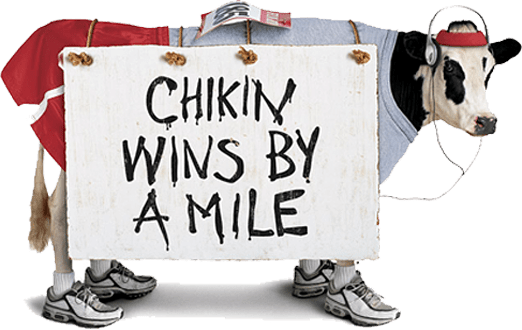
Political controversy aside, Chick-fil-A’s success is undeniable. In 2015, they averaged $3.2 million in per-store sales, which is 25% higher than McDonald’s, and double Burger King or Wendy’s. In 2014 they overtook KFC as America’s biggest Chicken chain. Analysts now predict that they are on track to become the 4th largest chain in America in terms of revenue by 2020, calling them the largest and least appreciated threat to McDonald’s. And if you think that this is largely irrelevant in New York, where Bill De Blasio has come out officially against the company for the CEO’s homophobic remarks, you might want to think again. 8 blocks from their first NYC location in midtown they are currently construction a second, and there are additional plans in the works to open a dozen more around the outer boroughs – bringing them close to the number of Panera breads in the city.
Needless to say, controversy does not seem to be slowing them down too much. Analysts credit their tight operations, and perhaps a certain amount of exclusivity: apparently only 0.7% of the 20,000 applicants who applied for franchises last year were given a spot – an acceptance rate lower than Harvard.
To read more, click here.


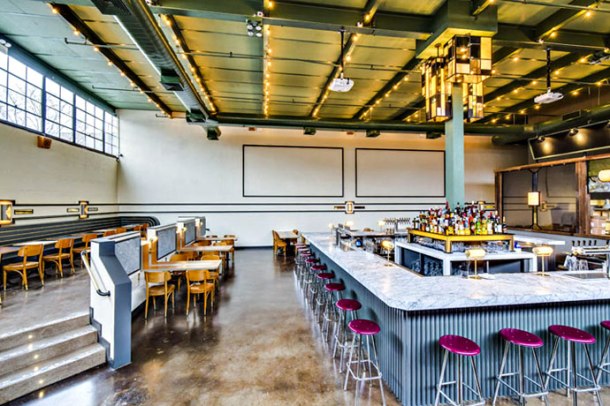 Their Success… Scrolling through the website for Syndicated, Brooklyn’s latest movie theater/restaurant mash-up, you might notice some curious contrasts. For example, there are the menus – half loaded tater tots/burgers/popcorn, half chatham mussels/smoked lamb ribs/fiddlehead ferns? Or click on their Instagram account, a mix of mouthwatering food photography and film stills that range from the artistic to the (literally) cartoonish. But move on to the calendar of movies and events for the clearest indication that Syndicated has embraced contrast to the fullest.
 Details were released yesterday about the much-anticipated auction of the furniture and smallwares formerly used at the Four Seasons Park Avenue, and there are certainly more than a few New Yorkers out there already reaching for their pocketbooks.
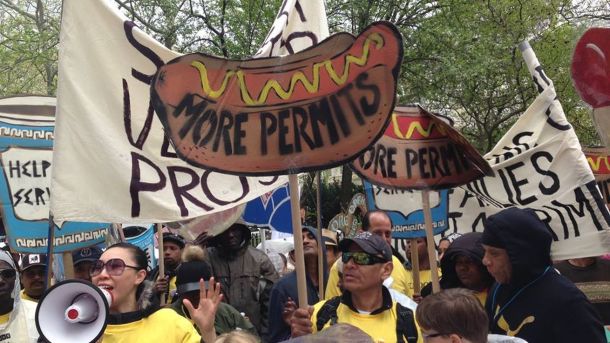 There are few things more closely associated with New York City than the smell of roasted peanuts and the ubiquitous carts selling shwarma, hot dogs, or decidedly-not-cold-brew iced coffee. There are around 20,000 street vendors in NYC, but the city only hands out 5,000 permits a year for a cost of $300 each – meaning many sellers are operating illegally or renting permits at much higher rates. On Tuesday, hundreds of vendors gathered at city hall to protest the cap on permits, originally issued in the 80’s in an effort to clean up the city streets. According to the protestors, that cap is no longer necessary, and puts a huge hurdle in the way of those who just want to legally work.
 paigepapers.com