
The east coast of South Florida feels like purgatory. There’s Miami, and there are beaches, but drive for 20 minutes outside of either, and it’s just vast plains of boxy, beige retirement villages, distinguishable only by their names, which all sound like euphemisms for a place you go when you die — Valencia Isles, Windward Palms, Mangrove Bay — and the relative elaborateness of their welcome fountains. The sky is a flat blue, and the temperature ranges from a chilled 62 degrees indoors to a muggy 85 degrees outside. Entire strip malls have been colonized by medical centers, generically advertising “Eye Care” or “Dermatology,” and every home purchase comes with a subscription to Nostalgic America magazine. “If Florida is the Great American Escape, it is also less enticing: the Great American Dumping Ground,” wrote Gloria Jahoda in Florida: A History in 1984. “It is where Mom and Pop go to die.”
Read the full article here


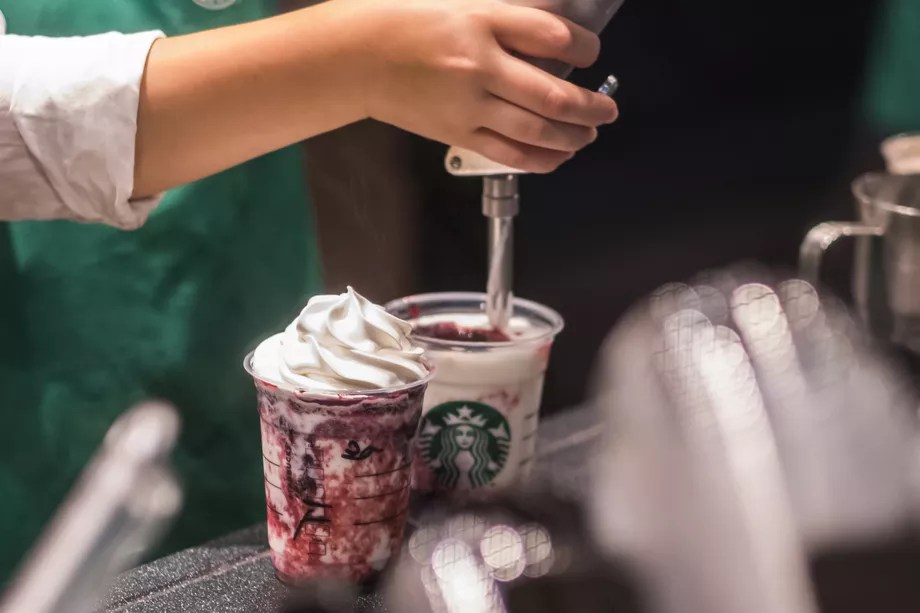 U.S. corporations just got a big tax cut, and Starbucks is using some of its savings to boost worker benefits. The coffee giant announced this morning that all domestic employees, both hourly and salaried, are getting a pay raise; it’s also doling out company stock and expanding paid sick leave and parental leave.
 It still thrill at the memory of the last time I went to Woodland, a two-floor restaurant down the block from Barclays Center, for a sweat-inducing birthday gathering. We’d been seated near DJ Yung Hova, whose bass-heavy mixes of hip-hop, soca, and reggae, all reflecting New York City’s robust West Indian immigrant population, slowly turned the space into a full-blown party. Neighbors hoisted their sloshing drinks in the air and gyrated their hips as a conga line of happily fed patrons — whose high-heels had shifted impatiently beneath them while waiting to be seated — turned raucous and jubilant to the same songs that power the annual Eastern Parkway Labor Day parade. It wasn’t deep into Friday or Saturday night, though — it was just a normal black brunch, a scene repeated every Sunday afternoon like clockwork.
 For chef Nelson German, running a fulfilling restaurant meant full-service dining: It didn’t feel right unless there were hosts at the door and servers whisking entrees from the kitchen to the dining room. When it came time to open his own business — Cajun-influenced Oakland, California, seafood restaurant AlaMar — in 2014, he made sure it operated with the same attentive-service environment that he had grown accustomed to working in. But all that changed in December 2016, when the restaurant announced rather abruptly that it would be doing away with all the formalities of full-service dining in favor of a counter-service format. The root of the radical service change: minimum wage hikes.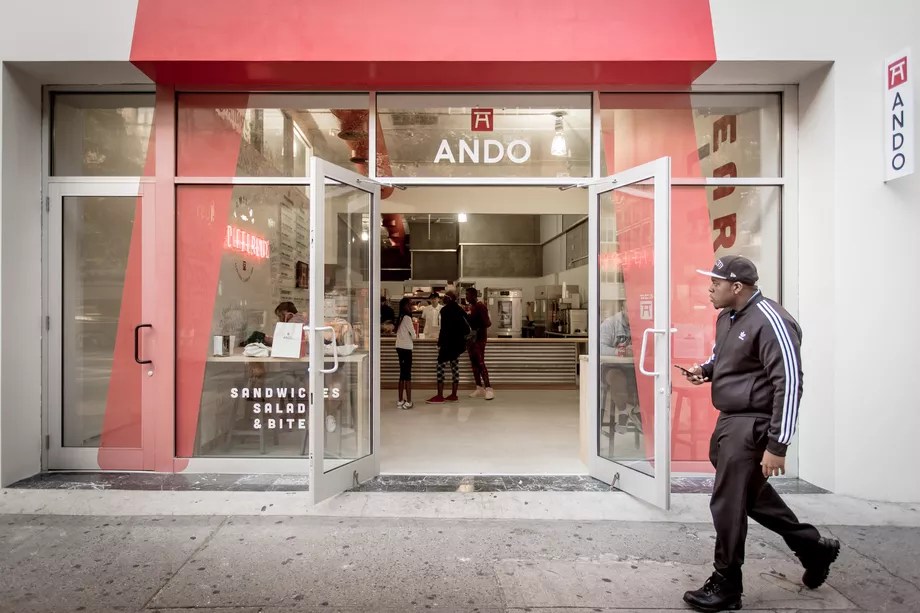


 paigepapers.com