
The Menu at Yours, Sincerely
The opening of Momofuku Nishi in Chelsea generated buzz for lots of reasons, and it remains difficult to get a seat at David Chang’s Italian-Korean-Don’t-Call-It-Fusion restaurant. If you have managed to eat there though, you might have noticed that the menu is heavily footnoted with information about the dishes, from “Notes of parmesan come from chickpea hozan” on the Cacio e Pepe, to “Kathy Pinsky’s Bundt Cake 2.0” on the Pistachio Bundt Cake.
Including these footnotes does more than just provide information about the dishes, which is useful in it’s own right; it lends the menu (and the restaurant, by extension) more personality. Granted, it is a very specific personality – quirky, irreverent, and casual – but it’s a personality that many restaurants are striving to achieve, especially as fine dining falls out of fashion. So it’s no surprise that other restaurants have followed suit with menu annotations of their own, including Bushwick cocktail bar Yours, Sincerely, where they’ve crammed the drink list with handwritten notes, and included a flowchart to help you choose a drink. It should also be noted that the speakeasy-style Pouring Ribbons went a similar route with their menu years ago, adding scores for each drink on scales from “refreshing to spiritous” and “comfortable to adventurous,” along with a graph on the first page (in case you’re a more visual orderer).
We certainly can’t recommend that every restaurant starts doodling on their menus – in the wrong context, it can be off-putting and confusing. But if the atmosphere of your enterprise is shooting for approachable and quirky, this is one way to make the menu more engaging. And when guests are engaged as soon as they see the options, they might just notice a drink or dessert they didn’t even know they wanted.
 On January 23rd, you can fight the winter doldrums with the best donuts and coffee from all over New York at the 2016 Donut Fest at
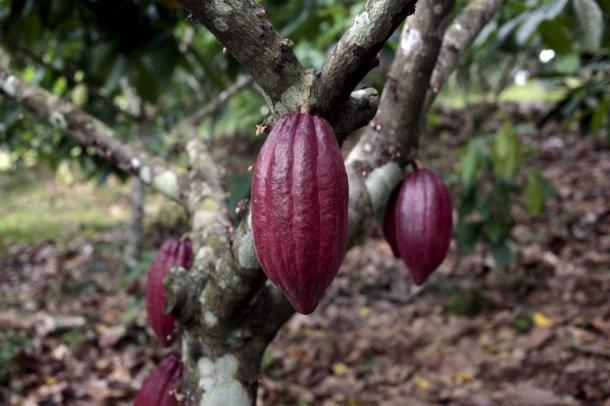
 Controversy over $10 remelted chocolate bars aside, the real price of chocolate increased by leaps and bounds in 2015, due in part to El Niño-related droughts, ebola outbreaks in exporting countries, and other supply chain issues. Some chocolate companies weathered the increase by upping prices or using less chocolate in their products, but industry leaders think this is only a stop-gap measure. With ever-growing demand for chocolate in China and India, there’s simply no price increase now that could prevent a shortage in the near future. As the chief sustainability officer at Mars explains, there are “still one to two billion consumers around the world that don’t eat chocolate today, and we think they will.”
 paigepapers.com